Benzyl carbamate → Sodium Hydroxide
Reaction equation

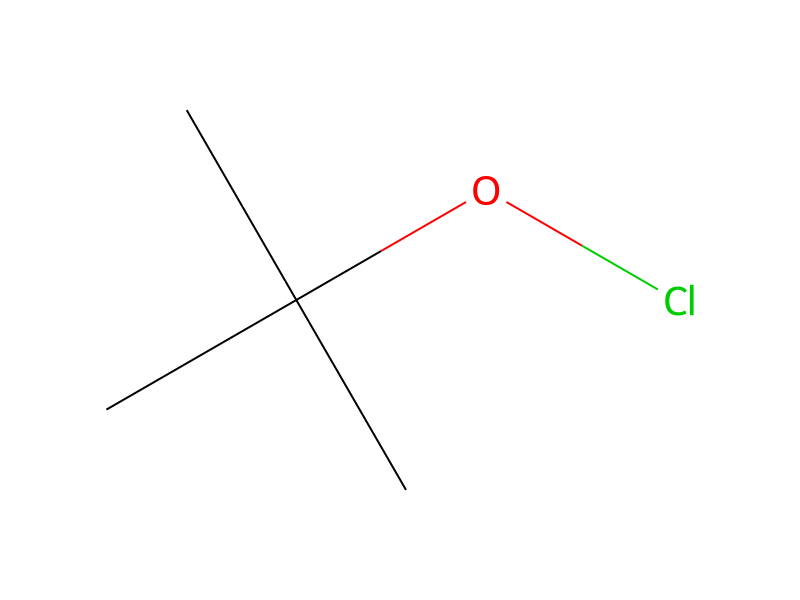
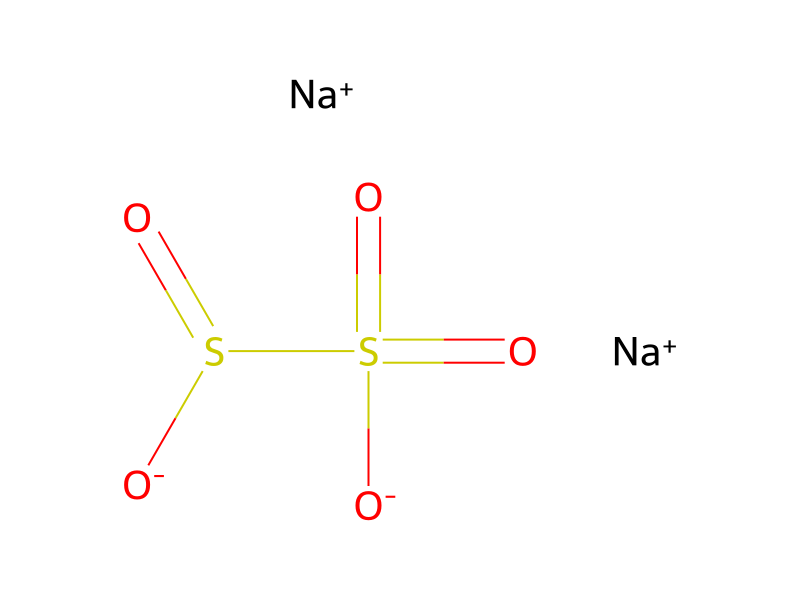
[C:1](=[O:11])([O:3][CH2:4][C:5]1[CH:10]=[CH:9][CH:8]=[CH:7][CH:6]=1)[NH2:2].C([O:16]Cl)(C)(C)C.[CH3:18][O:19][C:20](=[O:31])/[CH:21]=[CH:22]/[C:23]1[CH:28]=[CH:27][C:26]([F:29])=[C:25]([F:30])[CH:24]=1.S(S([O-])=O)([O-])(=O)=O.[Na+:39].[Na+]>O.[OH-].[Na+].C(O)CC.CC[C@H]1[C@H]2C[C@H]([C@H](OC3C4C(=CC=CC=4)C(O[C@H](C4C=CN=C5C=4C=C(OC)C=C5)[C@@H]4N5C[C@H](CC)[C@@H](CC5)C4)=NN=3)C3C=CN=C4C=3C=C(OC)C=C4)N(CC2)C1.C(OCC)(=O)C>[OH-:3].[Na+:39].[CH3:18][O:19][C:20](=[O:31])[C@H:21]([OH:16])[C@@H:22]([NH:2][C:1]([O:3][CH2:4][C:5]1[CH:6]=[CH:7][CH:8]=[CH:9][CH:10]=1)=[O:11])[C:23]1[CH:28]=[CH:27][C:26]([F:29])=[C:25]([F:30])[CH:24]=1Participants
Reactant 4


Product 2


Reagents, catalysts & solvents 5




Procedure
A solution of NaOH (4.1 g, 103 mmol) was prepared in 175 mL water. Potassium osmate dihydrate (491 mg, 1.3 mmol) was dissolved in 35 mL of this NaOH solution, resulting in a dark pink homogeneous mixture. To a 1000 mL round bottom flask is added the remaining NaOH solution prepared above, 135 mL n-propanol and benzyl carbamate (9.8 g, 110 mmol). The suspension was stirred at ambient temperature for 30 min wherein the mixture was nearly homogeneous. The reaction flask was placed in a room temperature water bath and the surrounding lights were turned off. Freshly prepared t-butylhypochlorite (11.2 mL, 103 mmol) was added dropwise with vigorous stirring, and the reaction stirred an additional 15 min. In a separate 250 mL round bottom flask was suspended trans-3,4-difluorocinnamic acid methyl ester (6.6 g, 33.3 mmol) and (DHQ)2PHAL (1.3 g, 1.7 mmol) in 100 mL n-propanol. The suspension was added to the above reaction mixture and the residue rinsed into the reaction flask (2×10 mL). To the reaction was added the above prepared solution of potassium osmate dihydrate. The resulting green solution became amber/brown over 1 h. Sodium metabisulfite (66 g, 347 mmol) was added and the resulting suspension stirred 3 h when it was poured into a separatory funnel containing ethyl acetate (200 mL) and the layers separated. The aqueous layer was extracted with ethyl acetate (150 mL) and the combined organics washed with brine (100 mL), dried with magnesium sulfate, and concentrated in vacuo to provide a pale yellow solid. The crude material was passed through silica (25% ethyl acetate/hexane) to give (2R,3S)-N-benzyloxycarbonyl-3-amino-3-(3,4-difluorophenyl)-2-hydroxypropionic acid methyl ester contaminated with benzyl carbamate.
Workup
- customresulting in a dark pink homogeneous mixture
- customwas placed in a room temperature
- stirringthe reaction stirred an additional 15 min
- customIn a separate 250 mL round bottom flask was suspended
- additionThe suspension was added to the above reaction mixture
- washthe residue rinsed into the reaction flask (2×10 mL)
- additionTo the reaction was added the above prepared solution of potassium osmate dihydrate
- waitThe resulting green solution became amber/brown over 1 h
- stirringthe resulting suspension stirred 3 h when it
- additionwas poured into a separatory funnel
- customthe layers separated
- extractionThe aqueous layer was extracted with ethyl acetate (150 mL)
- washthe combined organics washed with brine (100 mL)
- dry with materialdried with magnesium sulfate
- concentrationconcentrated in vacuo
- customto provide a pale yellow solid
Sources & evidence
- ORD record
- ord-5a1366c71a21451c9ffcfd3a3b913ca3
- Source dataset
- uspto-grants-2001_05
- Patent number
- US06228870B1
Reaction notes
Loading…