N,N'-Dicyclohexylurea → Tyramine
Reaction equation

ON1[C:6](=[O:7])[CH2:5][CH2:4][C:3]1=O.[CH:9]1([N:15]=C=NC2CCCCC2)CCCC[CH2:10]1.N=C=N.C(NC1CCCCC1)(N[CH:30]1CCCC[CH2:31]1)=O>>[NH2:15][CH2:9][CH2:10][C:3]1[CH:4]=[CH:5][C:6]([OH:7])=[CH:31][CH:30]=1Participants



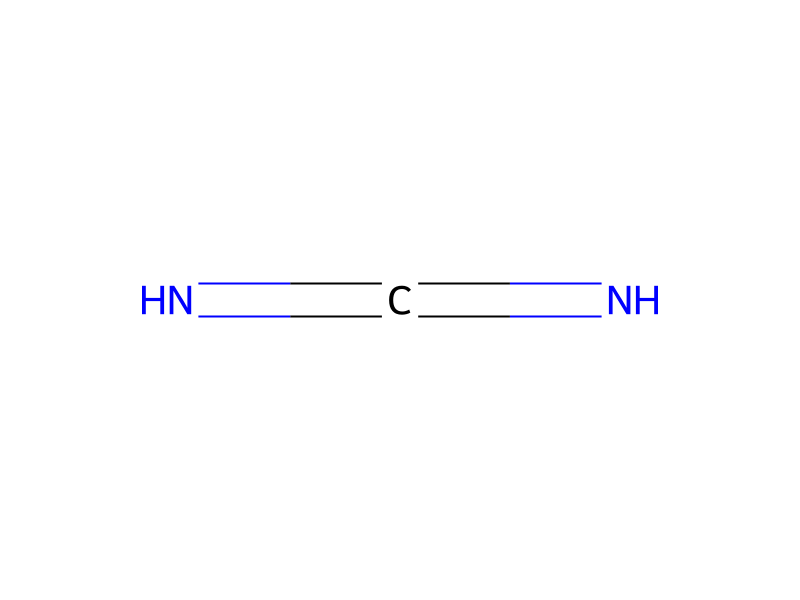
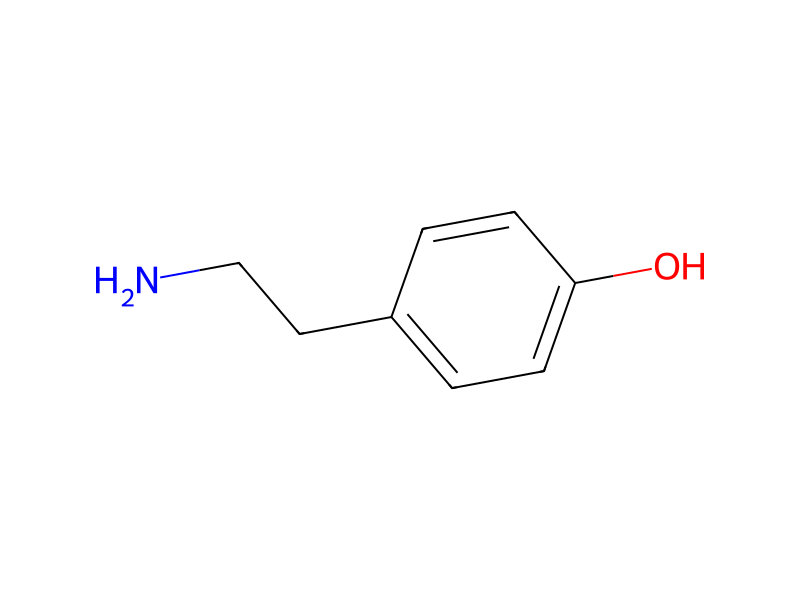
Conditions
- Temperature
- 70 °C
Procedure
Formation of the tyramide of compound III, is as follows. N-hydroxysuccinimide (33 mg) is dissolved In the reaction mixture prepared above by heating to 70° C., then dicyclohexylcarbodiimide (61 mg) is added. This is reacted at 70° C. for 90 minutes, an additional amount (6 mg) of the carbodimide is added and the reaction is continued for another 30 minutes. The mixture is cooled to 0° C. and the precipitated dicyclohexylurea is settled by centrifugation. The supernatant, containing 6-(-4′-N-hydroxysuccinimidyl carboxy phenyl)-3,8-bis bromoacetamidyl-5-methylphenanthridinium chloride (IV) is recovered. A solution of tyramine [4-(2′-amino)ethylphenol] (1.0 g) in water (5 ml) is formed by bringing it to pH 7 by addition of concentrated HCl. This solution is added to the supernatant containing compound IV and reacted at room temperature for one hour. This mixture is then reduced to a red oil by evacuation at 60° C., and is then extracted with water to remove excess tyramine. Compound (VI) is then recrystalized from ethanol-acidified with HCl.
Workup
- customprepared above
- customThis is reacted at 70° C. for 90 minutes
- temperatureThe mixture is cooled to 0° C.
- customis recovered
Sources & evidence
- ORD record
- ord-584542e6e4774c4e8c335d516bdd3175
- Source dataset
- uspto-grants-2001_05
- Patent number
- US06239271B1
Reaction notes
Loading…