Boric Acid → Ammoniumpentaborate
Reaction equation

S([O-])([O-])=O.[NH4+:5].[NH4+].[B:7]([OH:10])([OH:9])[OH:8]>>[B:7]([O-:10])([O-:9])[O-:8].[B:7]([O-:10])([O-:9])[O-:8].[B:7]([O-:10])([O-:9])[O-:8].[B:7]([O-:10])([O-:9])[O-:8].[B:7]([O-:10])([O-:9])[O-:8].[NH4+:5].[NH4+:5].[NH4+:5].[NH4+:5].[NH4+:5].[NH4+:5].[NH4+:5].[NH4+:5].[NH4+:5].[NH4+:5].[NH4+:5].[NH4+:5].[NH4+:5].[NH4+:5].[NH4+:5]Participants
3
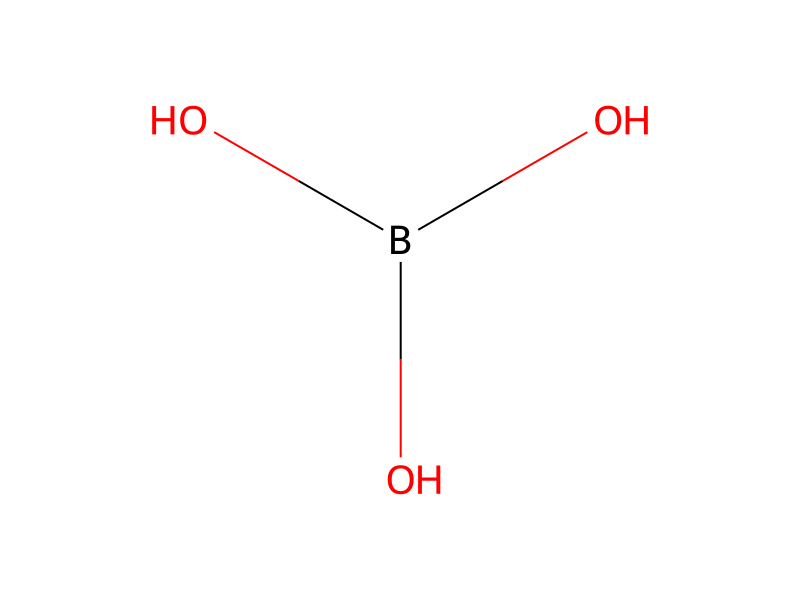
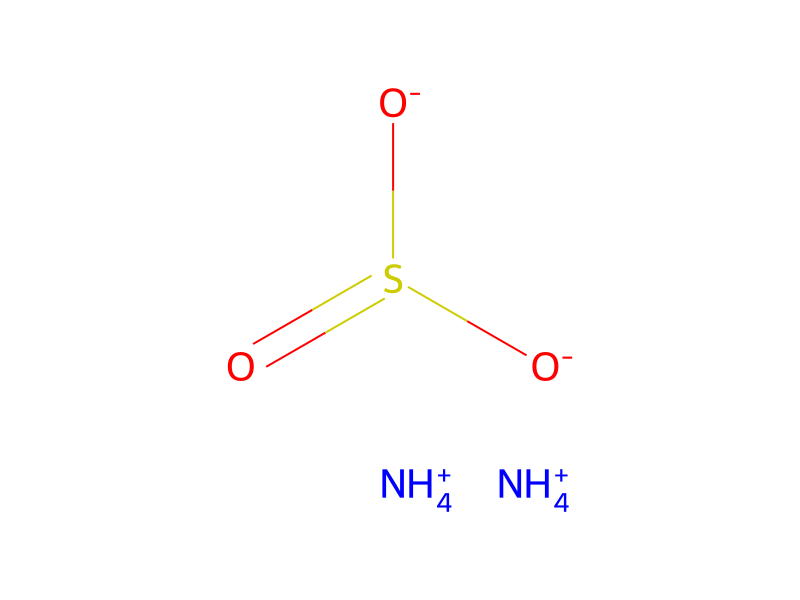

Procedure
In addition, as may be seen from Equation 1, ammoniumsulfite and tetraborate ores produce ammoniumpentaborate (NH4.B5O8.4H2O), in quantitative yield contrary to the assertion in British Pat. No. 10,361 which teaches that as a sole product, ammoniumtetraborate (biborate of ammonia, (NH4)2B4O7.4H2O), was obtained from alkali metal and alkaline earth metal borates upon the treatment of their suspensions with ammoniumsulfite.
Sources & evidence
- ORD record
- ord-cc7a7bceb14d48e69b43bf382cd805e6
- Source dataset
- uspto-grants-1985_04
- Patent number
- US04514326
Reaction notes
Loading…