Sodium Hydroxide → 1-(Bromomethyl)-4-chloro-2-nitrobenzene
Reaction equation

[Cl:1][C:2]1[CH:9]=[CH:8][C:5]([CH2:6]O)=[C:4]([N+:10]([O-:12])=[O:11])[CH:3]=1.P(Br)(Br)[Br:14].[OH-].[Na+]>CCOCC>[Cl:1][C:2]1[CH:9]=[CH:8][C:5]([CH2:6][Br:14])=[C:4]([N+:10]([O-:12])=[O:11])[CH:3]=1Participants
5
Reactant 3

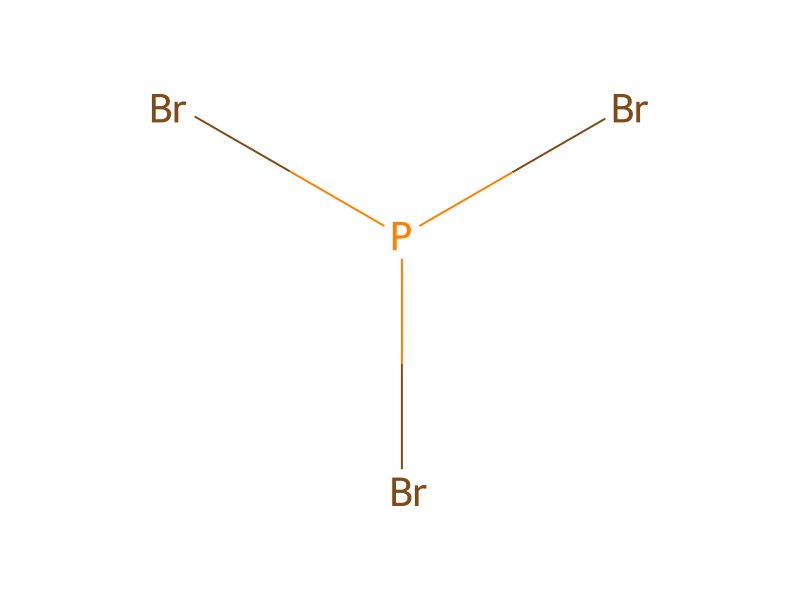

Product 1

Reagents, catalysts & solvents 1

Procedure
To a stirred solution of 10 g of 4-chloro-2-nitrobenzyl alcohol in 200 mL of ether is added dropwise a solution of 17.7 g phosphorus tribromide in 100 mL of ether. The temperature of the reaction mixture is maintained at 15° or lower by means of cooling with an ice-water bath. On completion of the addition the reaction mixture is allowed to stir for an additional 1 hour at 15° and then at room temperature overnight. The reaction mixture is neutralized with 100 mL of 3N sodium hydroxide, and the layers are separated. The ethereal extracts are washed with 2×250 mL of brine, dried over anydrous sodium sulfate; the solvent is evaporated to dryness under reduced pressure to yield 4-chloro-2-nitrobenzyl bromide melting at 50°.
Workup
- temperatureThe temperature of the reaction mixture is maintained at 15° or lower by means
- temperatureof cooling with an ice-water bath
- additionOn completion of the addition the reaction mixture
- customat room temperature
- customovernight
- customthe layers are separated
- washThe ethereal extracts are washed with 2×250 mL of brine
- dry with materialdried over anydrous sodium sulfate
- customthe solvent is evaporated to dryness under reduced pressure
Sources & evidence
- ORD record
- ord-8408fcf497ee45739ca636d2887ed467
- Source dataset
- uspto-grants-1986_06
- Patent number
- US04596799
Reaction notes
Loading…