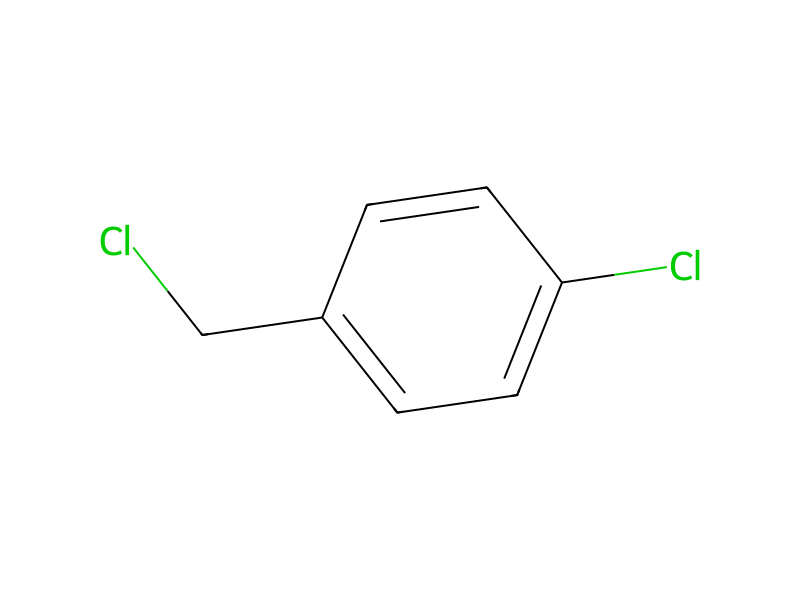
1-Chloro-4-(chloromethyl)benzene → 3-(5-Bromo-3-pyridyl)-4-(4-chlorophenyl)-2-butanol
Reaction equation

[Cl:1][C:2]1[CH:9]=[CH:8][C:5]([CH2:6]Cl)=[CH:4][CH:3]=1.[Br:10][C:11]1[CH:12]=[C:13]([CH2:17][C:18](=[O:20])[CH3:19])[CH:14]=[N:15][CH:16]=1>>[Br:10][C:11]1[CH:12]=[C:13]([CH:17]([CH2:6][C:5]2[CH:8]=[CH:9][C:2]([Cl:1])=[CH:3][CH:4]=2)[CH:18]([OH:20])[CH3:19])[CH:14]=[N:15][CH:16]=1Participants
3


Procedure
The title compound was prepared following the procedure described in Reference Example 67, Step B-C, substituting 2-bromomethyl-5-chloropyridine with 4-chlorobenzyl chloride and 3-bromophenylaceatone with 5-bromo-3-pyridylacetone (Step A). 1H NMR (500 MHz, CD3OD): δ 8.43 (d, 1H), 8.24 (d, 1H), 7.98 (dd, 1H), 7.17 (d, 2H), 7.07 (d, 2H), 4.04 (m, 1H), 3.16 (dd, 1H), 3.0-2.9 (m, 2H), 1.04 (d, 3H).
Sources & evidence
- ORD record
- ord-c37baccf52e64221a1259e2b39bfbfd2
- Source dataset
- uspto-grants-2009_06
- Patent number
- US07550489B2
Reaction notes
Loading…