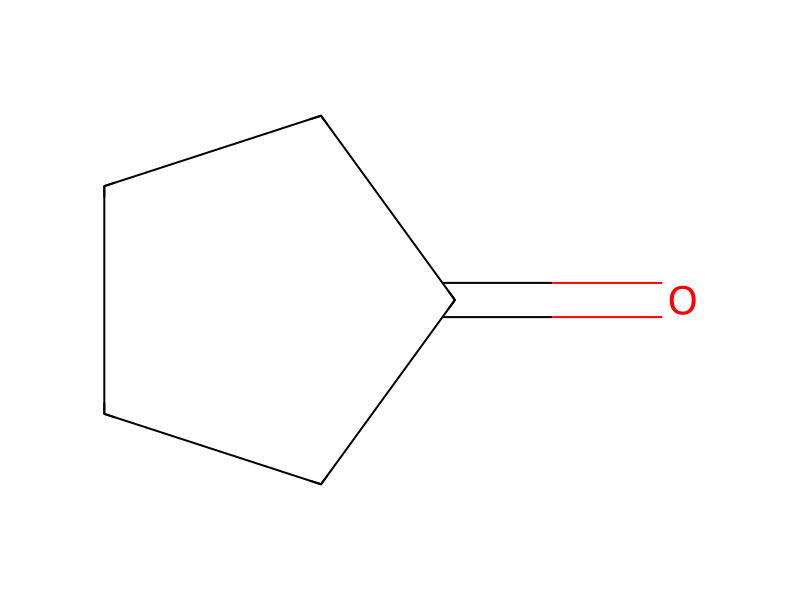
Cyclopentanone → HCID 68524505, compound
Reaction equation

[NH:1]1[C:9]2[C:4](=[CH:5][CH:6]=[CH:7][CH:8]=2)[CH:3]=[C:2]1[C:10]([OH:12])=[O:11].[C:13]1(=O)[CH2:17][CH2:16][CH2:15][CH2:14]1.[OH-].[Na+]>>[C:13]1([C:3]2[C:4]3[C:9](=[CH:8][CH:7]=[CH:6][CH:5]=3)[NH:1][C:2]=2[C:10]([OH:12])=[O:11])[CH2:17][CH2:16][CH2:15][CH:14]=1Participants
4



Procedure
Condensation of the indole carboxylic acid with cyclopentanone in the presence of aqueous sodium hydroxide gave the 3-cyclopenteneyl indole carboxylic acid, which was subjected to hydrogenation in the presence of catalytic amount of palladium on carbon to afford the corresponding cyclopentyl carboxylic acid in 80% overall yield. Double methylation of the carboxylic acid and the nitrogen with methyl carbonate in NMP at 130° C. provided the N-methyl indole carboxylate methyl ester in 90% yield. Bromination of the indole carboxylate with bromine in acetonitrile furnished the 2-bromo-3-cyclopentyl indole carboxylate in 90% yield.
Sources & evidence
- ORD record
- ord-231d88bc189f46b580680aaae6488b37
- Source dataset
- uspto-grants-2010_01
- Patent number
- US07642352B2
Reaction notes
Loading…