Bromide ion → Benzamidine
Reaction equation

C=[N:2]O.[Br-].[C:5]([CH2:7][C:8](OC)=O)#[N:6].ClC[C:14](=O)[CH3:15].O1[CH2:21][CH2:20]OC1>>[C:5]([NH2:2])(=[NH:6])[C:7]1[CH:8]=[CH:21][CH:20]=[CH:15][CH:14]=1Participants
6




Procedure
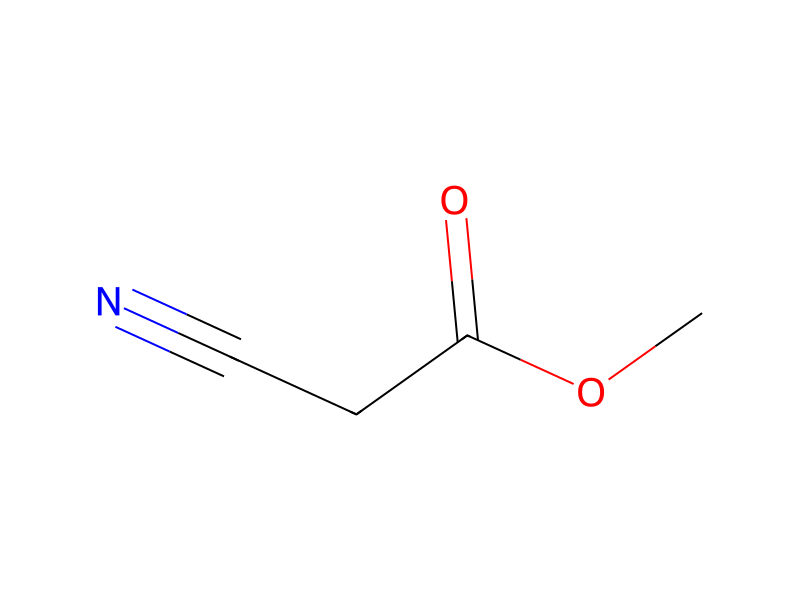
The key intermediate for pyrrolo[2,3-d]pyrimidines with phenoxymethylene, alkoxymethylene or oxime ether moieties at C-6 is the bromide 7, which is prepared in 6 steps from methyl cyanoacetate and chloroacetone (scheme 4). The monoalkylation product 2 is protected as 1,3-dioxolane, then the pyrimidine ring is formed by reaction with a benzamidine. Cyclization of the pyrrole ring occurs on reaction with aqueous HCl, and refluxing with POCl3 yields the chloride 5. Boc-protection of the pyrrole followed by radical bromination with NBS gives the bromide 7.
Sources & evidence
- ORD record
- ord-9f9cb15987fd4d7783c9923c711e6c18
- Source dataset
- uspto-grants-2010_01
- Patent number
- US07645754B2
Reaction notes
Loading…