Morpholine → 4-(2-Chloro-5-methyl-4-nitrophenyl)-morpholine
Reaction equation

[Cl:1][C:2]1[CH:7]=[C:6]([N+:8]([O-:10])=[O:9])[C:5]([CH3:11])=[CH:4][C:3]=1Cl.[NH:13]1[CH2:18][CH2:17][O:16][CH2:15][CH2:14]1.C(OCCOCC)C>CCOC(C)=O.CCO>[Cl:1][C:2]1[CH:7]=[C:6]([N+:8]([O-:10])=[O:9])[C:5]([CH3:11])=[CH:4][C:3]=1[N:13]1[CH2:18][CH2:17][O:16][CH2:15][CH2:14]1Participants
5



Procedure
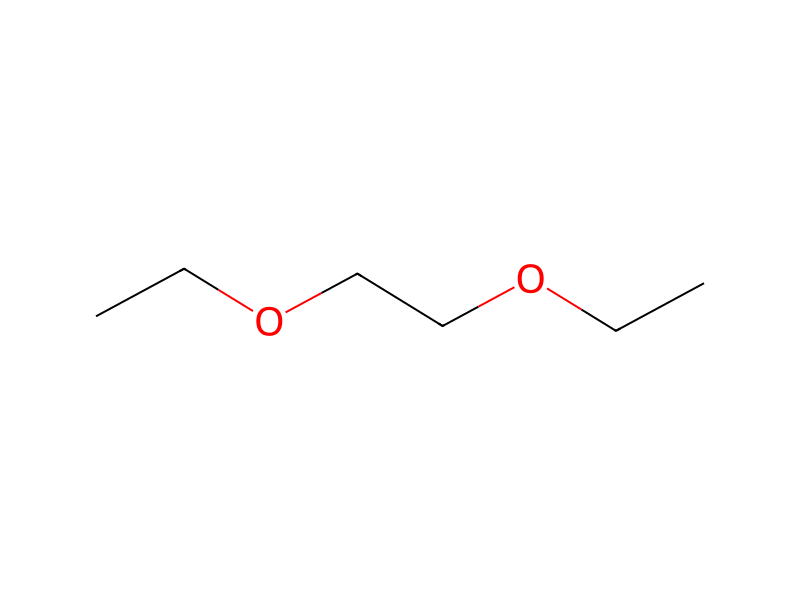
1,2-Dichloro-4-methyl-5-nitrobenzene (R.J. De Lang, et al. Tetrahedron (1998), 54(12), 2953-2966.) (1 g; 4.8 mmol), morpholine (1 ml) and 1,2-diethoxyethane (1 ml) were heated in a microwave oven at 160° C. for 2 h. The reaction mixture was poured on water/2N HCl 10/1 (50 ml) and extracted with TBME three times. The combined organic phases were dried over Na2SO4, evaporated and recrystallised from hot TBME to yield the title compound as yellow crystals (670 mg; 54%).
Workup
- extractionextracted with TBME three times
- dry with materialThe combined organic phases were dried over Na2SO4
- customevaporated
- customrecrystallised from hot TBME
Sources & evidence
- ORD record
- ord-92b2134c644d4dfa9b062d72ee4f11d2
- Source dataset
- uspto-grants-2010_01
- Patent number
- US07645760B2
Reaction notes
Loading…