Ammonia → 7-(4-Octylphenyl)hept-5-ynoic acid
Reaction equation

[NH2-].[Li+].N.[Li].Cl[CH2:6][CH2:7][CH2:8][C:9]([OH:11])=[O:10].[CH2:12]([C:20]1[CH:28]=[CH:27][C:23]([CH2:24][C:25]#[CH:26])=[CH:22][CH:21]=1)[CH2:13][CH2:14][CH2:15][CH2:16][CH2:17][CH2:18][CH3:19]>>[CH2:12]([C:20]1[CH:21]=[CH:22][C:23]([CH2:24][C:25]#[C:26][CH2:6][CH2:7][CH2:8][C:9]([OH:11])=[O:10])=[CH:27][CH:28]=1)[CH2:13][CH2:14][CH2:15][CH2:16][CH2:17][CH2:18][CH3:19]Participants


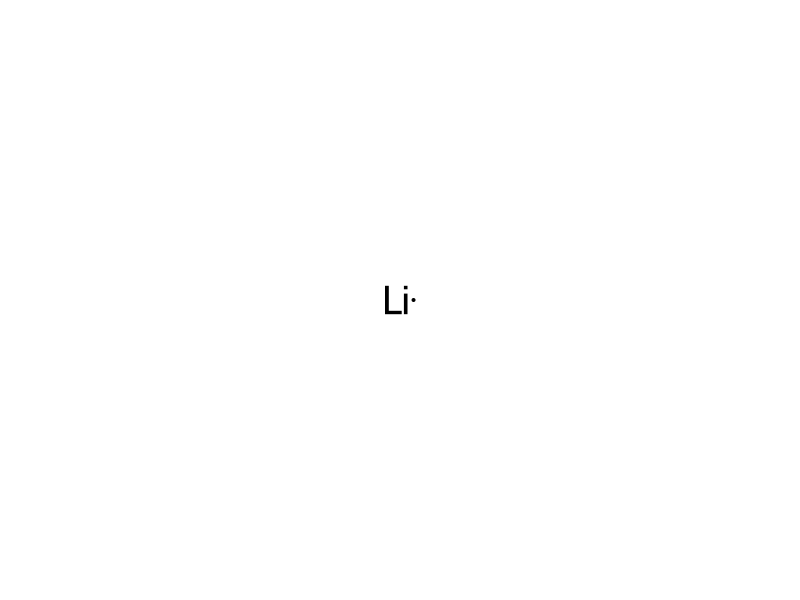


Procedure
A solution of lithium amide in liquid ammonia is prepared by the addition of lithium metal (2 mmoles) to liquid ammonia containing a trace amount of ferrous sulfate. To this solution is added 4-chlorobutyric acid (1 mmole) and p-(n-octyl)benzylacetylene (1 mmole, prepared as described in paragraph B of this example). After a suitable time at refluxing liquid ammonia temperatures, the ammonia is removed by evaporation and the residue dissolved in 10% sodium hydroxide solution. After extraction with ether, the aqueous layer is acidified to a pH of 2-3 with concentrated hydrochloric acid, and extracted with methylene chloride. The methylene chloride layer is separated and the solvent removed by evaporation to give a residue. This residue is purified either by column chromatography or molecular distillation under reduced pressure to afford the desired title product, 7-[p-(n-octyl)phenyl]hept-5-ynoic acid.
Workup
- customprepared
- customthe ammonia is removed by evaporation
- dissolutionthe residue dissolved in 10% sodium hydroxide solution
- extractionAfter extraction with ether
- extractionextracted with methylene chloride
- customThe methylene chloride layer is separated
- customthe solvent removed by evaporation
- customto give a residue
- distillationThis residue is purified either by column chromatography or molecular distillation under reduced pressure
Sources & evidence
- ORD record
- ord-3ab801dea05f447c9c679d7cc3102ba7
- Source dataset
- uspto-grants-1983_09
- Patent number
- US04405810
Reaction notes
Loading…