N-bromobutanimide → Ethyl 5-bromo-4-(3-chloro-4-fluorophenyl)-1,3-thiazole-2-carboxylate
Reaction equation

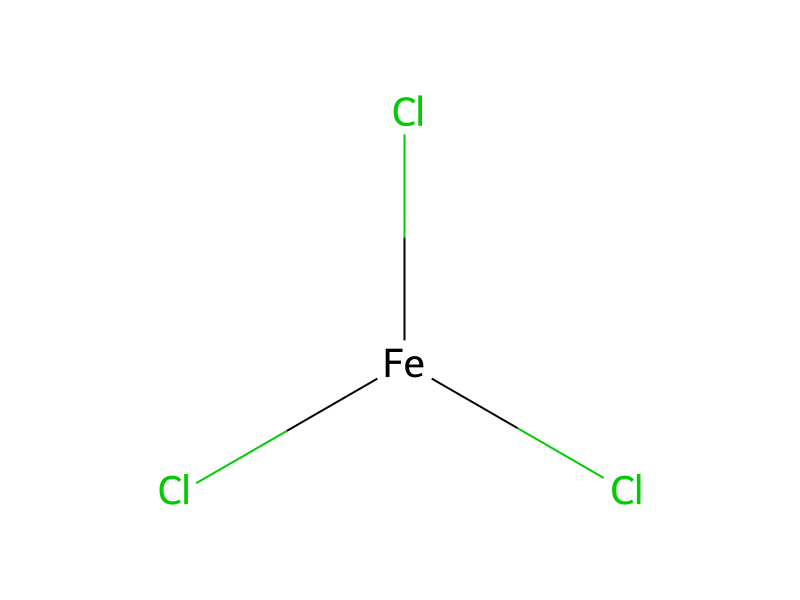
[Cl:1][C:2]1[CH:3]=[C:4]([C:9]2[N:10]=[C:11]([C:14]([O:16][CH2:17][CH3:18])=[O:15])[S:12][CH:13]=2)[CH:5]=[CH:6][C:7]=1[F:8].[Br:19]N1C(=O)CCC1=O>ClCCl.[Fe](Cl)(Cl)Cl>[Br:19][C:13]1[S:12][C:11]([C:14]([O:16][CH2:17][CH3:18])=[O:15])=[N:10][C:9]=1[C:4]1[CH:5]=[CH:6][C:7]([F:8])=[C:2]([Cl:1])[CH:3]=1Participants
5
Reactant 2


Product 1

Reagents, catalysts & solvents 2

Procedure
1.94 g of the compound from Example 2A having a purity of 57% (3.87 mmol) are provided in 35 ml of dichloromethane, 6.04 g (33.9 mmol) of N-bromosuccinimide and a spatula tip of iron trichloride are added and the mixture is heated under reflux for 18 hours. The reaction mixture is concentrated, the residue is purified by flash chromatography (mobile phase: cyclohexane/ethyl acetate 30:1), and 1.30 g (83% of theory) of the title compound are obtained.
Workup
- temperaturethe mixture is heated
- temperatureunder reflux for 18 hours
- concentrationThe reaction mixture is concentrated
- customthe residue is purified by flash chromatography (mobile phase: cyclohexane/ethyl acetate 30:1), and 1.30 g (83% of theory) of the title compound
- customare obtained
Sources & evidence
- ORD record
- ord-ce04511ec4f045cbb03e025b3bdae732
- Source dataset
- uspto-grants-2013_11
- Patent number
- US08575357B2
Reaction notes
Loading…