2-Chloropyridine → HCID 68162252, compound
Reaction equation

[C:1]([N:4]1[C:13]2[C:8](=[CH:9][C:10]([C:14]3[CH:19]=[CH:18][C:17]([CH2:20][N:21]4[CH2:26][CH2:25][CH2:24][CH2:23][CH2:22]4)=[CH:16][CH:15]=3)=[CH:11][CH:12]=2)[C@H:7]([NH2:27])[CH2:6][C@@H:5]1[CH3:28])(=[O:3])[CH3:2].C1C=CC(P(C2C(C3C(P(C4C=CC=CC=4)C4C=CC=CC=4)=CC=C4C=3C=CC=C4)=C3C(C=CC=C3)=CC=2)C2C=CC=CC=2)=CC=1.CC(C)([O-:78])C.[Na+].Cl[C:82]1[CH:87]=[CH:86][CH:85]=[CH:84][N:83]=1>C1(C)C=CC=CC=1.C1C=CC(/C=C/C(/C=C/C2C=CC=CC=2)=O)=CC=1.C1C=CC(/C=C/C(/C=C/C2C=CC=CC=2)=O)=CC=1.C1C=CC(/C=C/C(/C=C/C2C=CC=CC=2)=O)=CC=1.[Pd].[Pd]>[CH:1]([OH:3])=[O:78].[C:1]([N:4]1[C:13]2[C:8](=[CH:9][C:10]([C:14]3[CH:19]=[CH:18][C:17]([CH2:20][N:21]4[CH2:26][CH2:25][CH2:24][CH2:23][CH2:22]4)=[CH:16][CH:15]=3)=[CH:11][CH:12]=2)[C@H:7]([NH:27][C:82]2[CH:87]=[CH:86][CH:85]=[CH:84][N:83]=2)[CH2:6][C@@H:5]1[CH3:28])(=[O:3])[CH3:2]Participants






Conditions
- Temperature
- 100 °C
Procedure
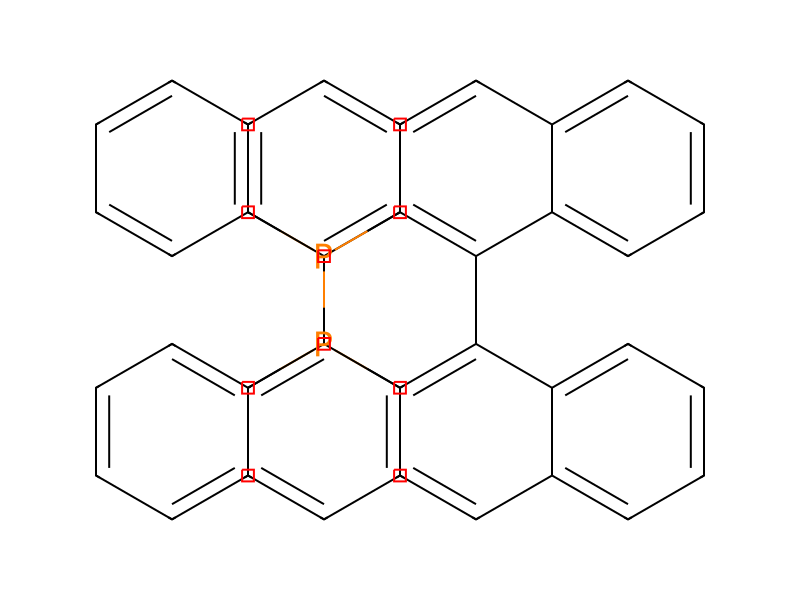
(cis)-1-Acetyl-2-methyl-6-[4-(1-piperidinylmethyl)phenyl]-1,2,3,4-tetrahydro-4-quinolinamine (for a preparation see intermediate 25) (100 mg, 0.265 mmol), racemic BINAP (8.25 mg, 0.013 mmol), sodium tert-butoxide (30.5 mg, 0.318 mmol), 2-chloropyridine (0.025 ml, 0.265 mmol) and tris(dibenzylideneacetone)dipalladium(0) (12.13 mg, 0.013 mmol) were suspended in toluene (2.5 mL) under nitrogen and the resulting mixture was stirred at 100° C. for 5 h under microwave irradiation then cooled to room temperature and partitioned between AcOEt (20 mL) and 1:1 saturated NaHCO3 aqueous solution:water (5 mL). The layers were separated and the organic phase washed with saturated NaHCO3 aqueous solution:water (5 mL) then brine (5 mL), dried over Na2SO4 and concentrated in vacuo. Purification of the residue by MDAP (modifier: formic acid) gave (cis)-1-acetyl-2-methyl-6-[4-(1-piperidinylmethyl)phenyl]-N-2-pyridinyl-1,2,3,4-tetrahydro-4-quinolinamine formate salt (31.9 mg, 0.062 mmol, 24%) as a white solid.
Workup
- temperaturethen cooled to room temperature
- custompartitioned between AcOEt (20 mL) and 1:1 saturated NaHCO3 aqueous solution
- customThe layers were separated
- washthe organic phase washed with saturated NaHCO3 aqueous solution
- dry with materialwater (5 mL) then brine (5 mL), dried over Na2SO4
- concentrationconcentrated in vacuo
- customPurification of the residue by MDAP (modifier: formic acid)
Sources & evidence
- ORD record
- ord-204e63f9aa4e4e8caeb2a287207dc1a5
- Source dataset
- uspto-grants-2013_11
- Patent number
- US08580957B2
Reaction notes
Loading…