Phenol → Naphthalene
Reaktionsgleichung

C1(O)C=CC=CC=1.S(OC)(OC)(=O)=O.[CH:15]1[CH:16]=[C:17]2[C:22]3=[C:23]([C:25]([O:27]C(=O)[C:21]3=[CH:20][CH:19]=[CH:18]2)=[O:26])[CH:24]=1.[Br:30]Br>[N+]([O-])(O)=O.C([O-])(=O)C.[Hg+2].C([O-])(=O)C.C(O)(=O)C>[CH:21]1[C:22]2[C:17](=[CH:16][CH:15]=[CH:24][CH:23]=2)[CH:18]=[CH:19][CH:20]=1.[Br:30][C:15]1[CH:24]=[C:23]([C:25]([OH:27])=[O:26])[C:22]2[C:17]([CH:16]=1)=[CH:18][CH:19]=[CH:20][CH:21]=2Komponenten
Edukt 4



Produkt 2


Reagenzien, Katalysatoren, Lösungsmittel 3


Versuchsvorschrift
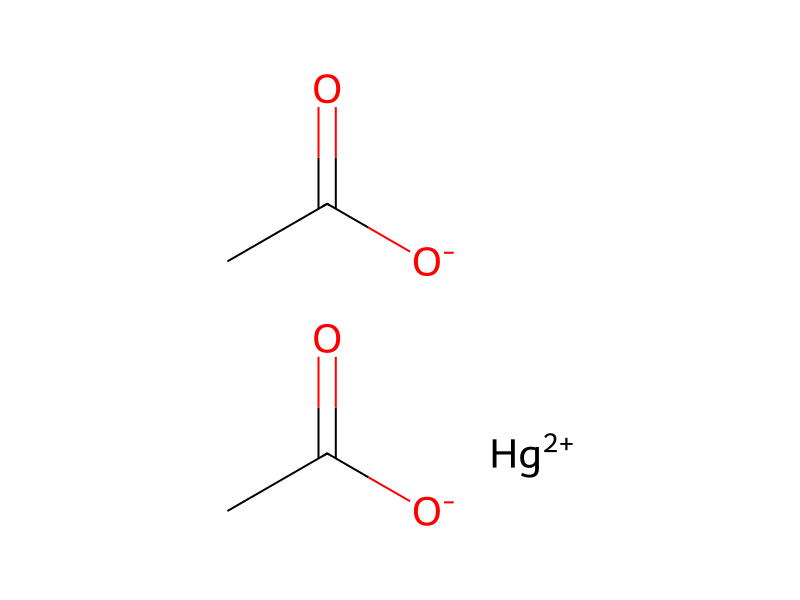
Preparation of the starting material in case of naphthalenes at ring A is described in Scheme 4. One isomer of naphthalene may be prepared by adopting the procedure shown in the literature [Ashworth, I. W. et al. Org. Process Res. Dev. 2003, 7, 74-81; Huan, Y. et al. J. Med. Chem. 2001, 44, 1815-1826]. Thus, 4-bromo-2-naphthoate 16 is obtained by the Diels-Alder addition of 3-bromocoumalate 15 to in situ-generated benzyne in 87% yield and 4-bromo-1-methoxy-2-naphthoate 19 is obtained by the bromination at the 4-position of 1-hydroxy-2-naphthoic acid 17 using bromine in glacial acetic acid and then methylation of both phenol and carboxylic acid with dimethyl sulfate under basic conditions in 72% yield for the two steps. The other isomer of naphthalene is prepared by adopting AstraZeneca's procedure [Moseley, J. D. et al, Org. Process Res. Dev. 2003, 7, 58-66]. Thus, 1,8-naphthalic anhydride 20 is brominated at the 3-position with bromine in concentrated nitric acid in low yield, and mercury(II) acetate-mediated decarboxylation proceeds by digestion. Acidic hydrolysis of a mixture of organo-Hg intermediates, and subsequent selective crystallization from acetic acid give 3-bromo-1-naphthoic acid 22 in 58% yield for the three steps.
Quellen und Nachweise
- ORD-Eintrag
- ord-e0c214ce73e545759a8d53084defa792
- Quelldatensatz
- uspto-grants-2013_11
- Patentnummer
- US08586550B2
Notizen zur Reaktion
Wird geladen…