diethyl 1H-pyrazole-3,5-dicarboxylate → diethyl 4-chloro-1H-pyrazole-3,5-dicarboxylate
Reaction equation

[Cl:1][O-].[Na+].[NH:4]1[C:8]([C:9]([O:11][CH2:12][CH3:13])=[O:10])=[CH:7][C:6]([C:14]([O:16][CH2:17][CH3:18])=[O:15])=[N:5]1>CC(O)=O>[CH2:12]([O:11][C:9]([C:8]1[C:7]([Cl:1])=[C:6]([C:14]([O:16][CH2:17][CH3:18])=[O:15])[NH:5][N:4]=1)=[O:10])[CH3:13]Participants
4
Reactant 2

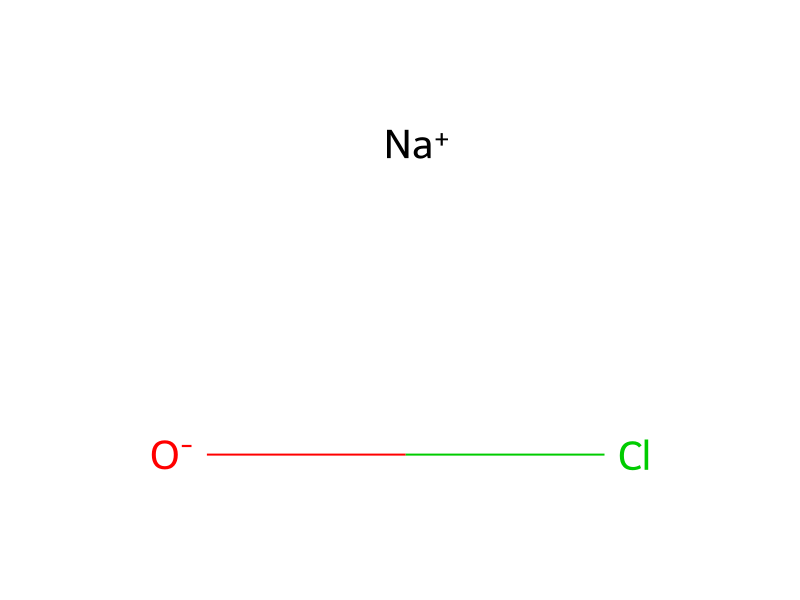
Product 1

Reagents, catalysts & solvents 1

Procedure
Sodium hypochlorite (2.79 mL, 5.89 mmol) was added to a solution of diethyl 3,5-pyrazoledicarboxylate (0.5 g, 2.36 mmol) in AcOH (10 mL) and the mixture was stirred at room temperature for 16 hours. Then, the solvent was evaporated in vacuo and the mixture was acidified with a 1N solution of HCl and extracted with AcOEt. The organic layer was separated, dried (MgSO4), filtered and the solvents evaporated in vacuo. The crude product was purified by flash column chromatography (silica; MeOH in DCM 0/100 to 05/95). The desired fractions were collected and the solvents evaporated in vacuo to yield 4-chloro-1H-pyrazole-3,5-dicarboxylic acid diethyl ester (450 mg, 66% yield) as a white solid.
Workup
- customThen, the solvent was evaporated in vacuo
- extractionextracted with AcOEt
- customThe organic layer was separated
- dry with materialdried (MgSO4)
- filtrationfiltered
- customthe solvents evaporated in vacuo
- customThe crude product was purified by flash column chromatography (silica; MeOH in DCM 0/100 to 05/95)
- customThe desired fractions were collected
- customthe solvents evaporated in vacuo
Sources & evidence
- ORD record
- ord-02ea0c77547f417f802fc233d7a234f6
- Source dataset
- uspto-grants-2013_11
- Patent number
- US08592422B2
Reaction notes
Loading…