Lithium Carbonate → 2-chloro-4-[(2S,3S)-3-(1-hydroxy-1-methylethyl)-2-methylpyrrolidin-1-yl]-3-methylbenzonitrile
Reaction equation

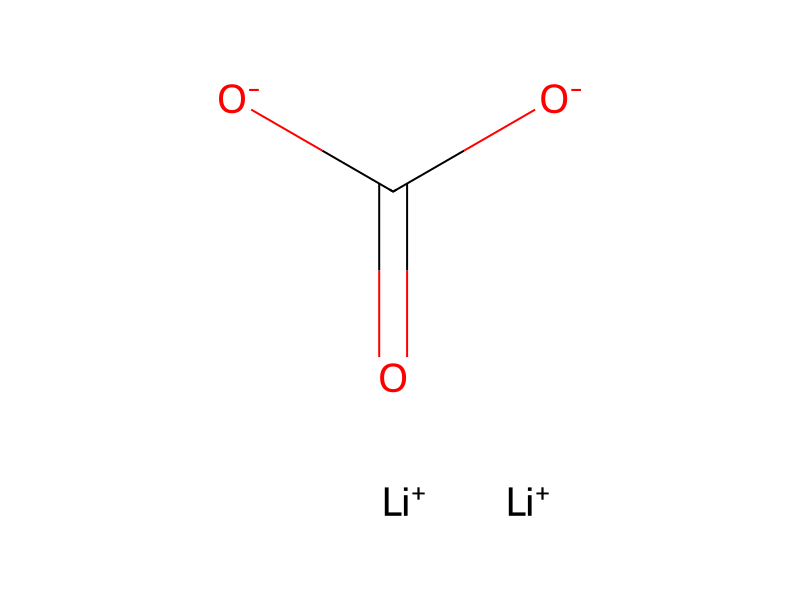
[OH:1][C:2]([C@H:5]1[CH2:9][CH2:8][NH:7][C@H:6]1[CH3:10])([CH3:4])[CH3:3].[Cl:11][C:12]1[C:19]([CH3:20])=[C:18](F)[CH:17]=[CH:16][C:13]=1[C:14]#[N:15].C(=O)([O-])[O-].[Li+].[Li+]>CS(C)=O>[Cl:11][C:12]1[C:19]([CH3:20])=[C:18]([N:7]2[CH2:8][CH2:9][C@H:5]([C:2]([OH:1])([CH3:4])[CH3:3])[C@@H:6]2[CH3:10])[CH:17]=[CH:16][C:13]=1[C:14]#[N:15]Participants
5
Reactant 3


Product 1

Reagents, catalysts & solvents 1

Conditions
- Temperature
- 100 °C
Procedure
A mixture of compound 1 (1.56 g), 2-chloro-4-fluoro-3-methylbenzonitrile (1.27 g), lithium carbonate (1.16 g) and DMSO (37.5 ml) was stirred at 100° C. for 1 hr. The reaction mixture was cooled and partitioned between water and ethyl acetate. The organic layer was washed with water, dried (sodium sulfate), and concentrated. The obtained residue was purified by silica gel column chromatography (ethyl acetate-hexane), and crystallized from ethyl acetate-hexane to give the title compound (357 mg) as crystals.
Workup
- temperatureThe reaction mixture was cooled
- custompartitioned between water and ethyl acetate
- washThe organic layer was washed with water
- dry with materialdried (sodium sulfate)
- concentrationconcentrated
- customThe obtained residue was purified by silica gel column chromatography (ethyl acetate-hexane)
- customcrystallized from ethyl acetate-hexane
Sources & evidence
- ORD record
- ord-03846190ece646a489999390347edb5b
- Source dataset
- uspto-grants-2013_11
- Patent number
- US08592452B2
Reaction notes
Loading…