Water → HCID 20344109, compound
Reaction equation

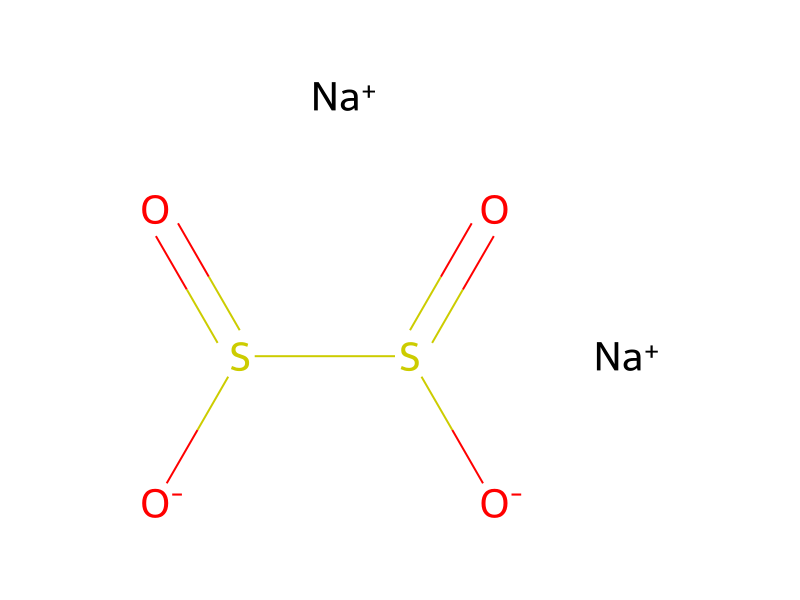
[NH2:1][C:2]1[C:11]([N+:12]([O-])=O)=[CH:10][C:9]2[C:4](=[CH:5][C:6]([S:15][CH2:16][CH:17]([CH3:19])[CH3:18])=[CH:7][CH:8]=2)[CH:3]=1.S(S([O-])=O)([O-])=O.[Na+].[Na+].O>C(O)C>[CH2:16]([S:15][C:6]1[CH:5]=[C:4]2[C:9]([CH:10]=[C:11]([NH2:12])[C:2]([NH2:1])=[CH:3]2)=[CH:8][CH:7]=1)[CH:17]([CH3:19])[CH3:18]Participants
Reactant 3


Product 1

Reagents, catalysts & solvents 1

Procedure
To 0.025 mole of the 2-amino-7-isobutylthio-3-nitronaphthalene (prepared in Example 5) in 100 ml of 95% ethanol is added a solution of 3.4 equivalents of sodium hydrosulfite (Na2S2O4) in a solution of 100 ml of water and 15 ml concentrated (28%) ammonium hydroxide. The mixture is refluxed for 5 minutes and an amount of hydrosulfite solution equal to 10% of the original is added to the refluxing mixture. TLC (silica gel, ether) indicates consumption of starting material. The mixture is concentrated to one-half its original volume under vacuum and the residual mixture extracted with two 150 ml portions of chloroform. The combined chloroform extracts are dried (Na2SO4), filtered, and evaporated to dryness to yield the crude title compound which is used without further purification in Example 7.
Workup
- concentrationconcentrated (28%) ammonium hydroxide
- temperatureThe mixture is refluxed for 5 minutes
- additionan amount of hydrosulfite solution equal to 10% of the original is added to the refluxing mixture
- customconsumption of starting material
- concentrationThe mixture is concentrated to one-half its original volume under vacuum
- extractionthe residual mixture extracted with two 150 ml portions of chloroform
- dry with materialThe combined chloroform extracts are dried (Na2SO4)
- filtrationfiltered
- customevaporated to dryness
Sources & evidence
- ORD record
- ord-eac29e6b43fc4ec0b710b27d5bdca117
- Source dataset
- uspto-grants-1980_04
- Patent number
- US04198422
Reaction notes
Loading…