Calcium Carbonate → HCID 20342959, compound
Reaction equation

[C:1]([C:10]1[CH:15]=[CH:14][CH:13]=[CH:12][C:11]=1[OH:16])([C:4]1[CH:9]=[CH:8][CH:7]=[CH:6][CH:5]=1)([CH3:3])[CH3:2].C(=O)([O-])[O-].[Ca+2].[C:22](Cl)([CH:24]=[CH2:25])=[O:23]>C1(C)C=CC=CC=1>[C:22]([O:16][C:11]1[CH:12]=[CH:13][CH:14]=[CH:15][C:10]=1[C:1]([C:4]1[CH:9]=[CH:8][CH:7]=[CH:6][CH:5]=1)([CH3:3])[CH3:2])(=[O:23])[CH:24]=[CH2:25]Participants
5
Reactant 3
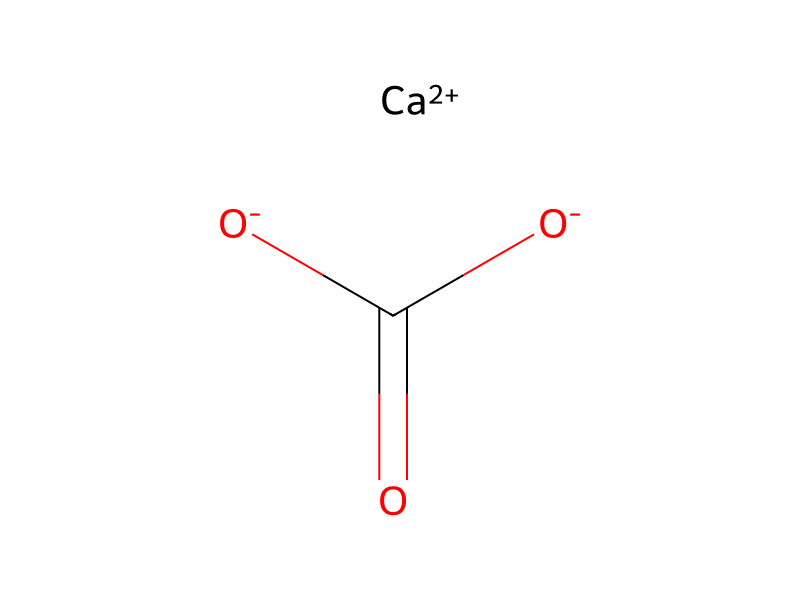


Product 1

Reagents, catalysts & solvents 1

Procedure
Cumylphenyl acrylate was prepared in the apparatus described in Example A. One mole of cumylphenol and 2 moles of calcium carbonate were slurried in the presence of 1 liter of toluene solvent. During a period of 2 hours, one mole of acryl chloride was added to the solution while the temperature was maintained at 40° to 50° C. The reaction mixture was filtered and the filtrate distilled at 5 mm Hg. to produce a pale yellow oil boiling at 198° to 203° C. The yield was 84%. Gas chromatographic assay indicated that less than 3% of unreacted cumyl phenol was retained in the product.
Workup
- temperaturewas maintained at 40° to 50° C
- filtrationThe reaction mixture was filtered
- distillationthe filtrate distilled at 5 mm Hg
Sources & evidence
- ORD record
- ord-c3dd8e5af15648be843ab018e66bb043
- Source dataset
- uspto-grants-1980_04
- Patent number
- US04199517
Reaction notes
Loading…