Formaldehyde → Tetrahydro-N-(2-hydroxyethyl)-N-(phosphonomethyl)-3-thiophenamine 1,1-dioxide
Reaction equation

Cl.[OH:2][CH2:3][CH2:4][NH:5][CH:6]1[CH2:10][CH2:9][S:8](=[O:12])(=[O:11])[CH2:7]1.[CH2:13]=O.[P:15]([OH:18])([OH:17])[OH:16]>O>[OH:2][CH2:3][CH2:4][N:5]([CH2:13][P:15]([OH:18])([OH:17])=[O:16])[CH:6]1[CH2:10][CH2:9][S:8](=[O:12])(=[O:11])[CH2:7]1Participants
5

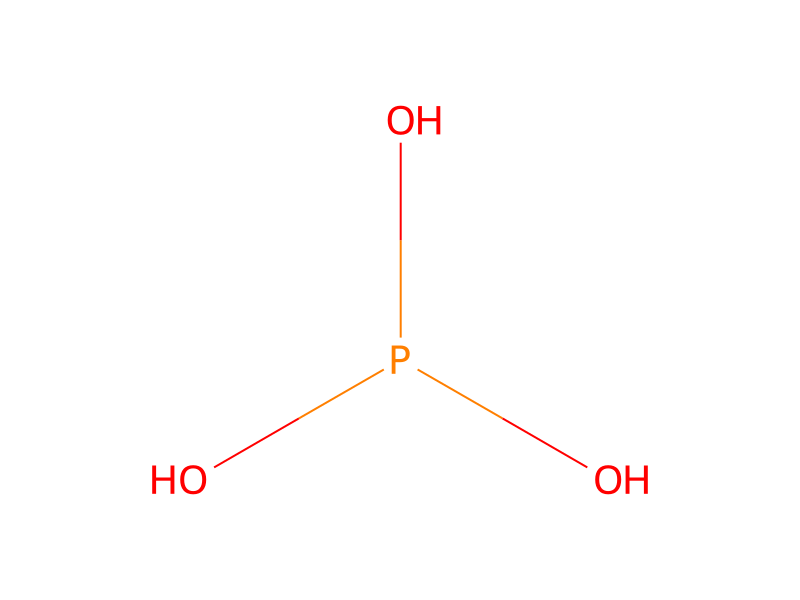



Procedure
A solution of tetrahydro-N-hydroxymethyl-3-thiophenamine 1,1-dioxide hydrochloride of Example 3 (21.5 parts, 0.1 mole); 90 percent paraformaldehyde (3.7 parts, 0.11 mole); 70 percent aqueous orthophosphorous acid (12.9 parts, 0.11 mole); and water (6.0 parts) was heated at its reflux temperature for 3 hours. The product could not be isolated as a filterable solid due to its hygroscopic nature. The solution containing 61.9 percent of the title compound was used for testing without any further purification.
Workup
- temperaturereflux temperature for 3 hours
- customThe product could not be isolated as a filterable solid due to its hygroscopic nature
Sources & evidence
- ORD record
- ord-10b88cc3461b4b8d908e4cca96a024af
- Source dataset
- uspto-grants-1980_01
- Patent number
- US04181806
Reaction notes
Loading…