Trimethyl phosphite → 3-Fluoro-1,3-dihydro-1-methyl-7-chloro-5-phenyl-2H-1,4-benzodiazepin-2-one
Reaction equation

[Cl:1][C:2]1[CH:3]=[CH:4][C:5]2[N:11]([CH3:12])[C:10](=[O:13])[CH:9]([F:14])[N+:8]([O-])=[C:7]([C:16]3[CH:21]=[CH:20][CH:19]=[CH:18][CH:17]=3)[C:6]=2[CH:22]=1.P(OC)(OC)OC>C(Cl)Cl>[Cl:1][C:2]1[CH:3]=[CH:4][C:5]2[N:11]([CH3:12])[C:10](=[O:13])[CH:9]([F:14])[N:8]=[C:7]([C:16]3[CH:21]=[CH:20][CH:19]=[CH:18][CH:17]=3)[C:6]=2[CH:22]=1Participants
Reactant 2
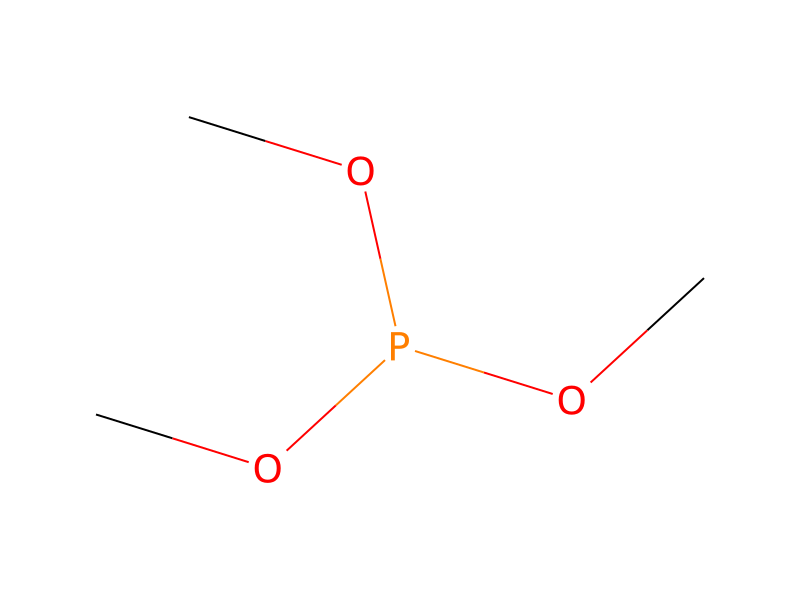

Product 1

Reagents, catalysts & solvents 1

Procedure
A solution of 15.93 g (0.05 mole) of 7-chloro-3-fluoro-1,3-dihydro-1-methyl-5-phenyl-2H-1,4-benzodiazepin-2-one 4-oxide and 20 ml (0.16 mole) of trimethyl phosphite in 250 ml of methylene chloride was allowed to remain at room temperature (about 25° C.) for 3 days, and then evaporated to dryness under reduced pressure. The residue was suspended in water, collected on a filter, washed thoroughly with water, and dried in air to give 14.91 g (98.5% yield) of crude 7-chloro-3-fluoro-1,3-dihydro-1-methyl-5-phenyl-2H-1,4-benzodiazepin-2-one as a white powder. Analysis by high pressure liquid chromatography indicated the product was 98.9% pure. Recrystallization from ethanol gave colorless crystals: mp 145°-147°; 19F nmr (CDCl3) δ -161.7 ppm (d, J=57 Hz); 1H nmr (CDCl3) δ 3.43 ppm (s, 3H), 5.54 ppm (d, J=57 Hz, 1H) and 7.5 ppm (m, 8H).
Workup
- customto remain at room temperature
- custom(about 25° C.)
- customfor 3 days
- customevaporated to dryness under reduced pressure
- customcollected on a filter
- washwashed thoroughly with water
- customdried in air
Sources & evidence
- ORD record
- ord-df3e7235d7bc4c518bc916af2442826d
- Source dataset
- uspto-grants-1980_01
- Patent number
- US04182760
Reaction notes
Loading…