Sodium Hydroxide → 4-Methyl-1-(2-nitrophenyl)piperazine-2-carboxylic acid
Reaction equation

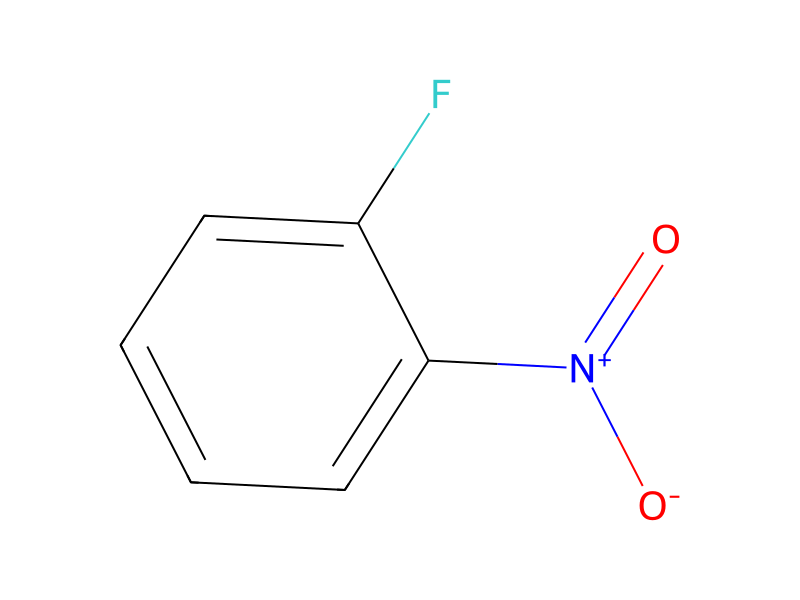
[OH-].[Na+].C([O:5][C:6]([CH:8]1[CH2:13][N:12]([CH3:14])[CH2:11][CH2:10][NH:9]1)=[O:7])C.[N+:15]([C:18]1[CH:23]=[CH:22][CH:21]=[CH:20][C:19]=1F)([O-:17])=[O:16]>O.C(O)C>[CH3:14][N:12]1[CH2:11][CH2:10][N:9]([C:19]2[CH:20]=[CH:21][CH:22]=[CH:23][C:18]=2[N+:15]([O-:17])=[O:16])[CH:8]([C:6]([OH:5])=[O:7])[CH2:13]1Participants
6





Procedure
A solution of 6.6 g. (0.164 mole) of sodium hydroxide, 28.2 g. (0.165 mole) of ethyl-4-methylpiperazine-2-carboxylate, 20 ml. of water and 200 ml. of ethanol is refluxed for 3 hours. This solution is then added under nitrogen to a hot stirred solution of o-nitrofluorobenzene in 300 ml. of ethanol and 30 ml. of water. The resultant solution is refluxed for 48 hours, cooled and filtered to give 12.8 g. of yellow product, m.p. 222°-225°. Concentration of the mother liquors to ~100 ml. and adjusting the pH to 6 yields an additional 6.6 g. of product. Further concentration of mother liquors gives yet another 3 g. of product. Total yield is 22.4 g., 51.5%. The analytical sample had m.p. 234° dec.
Workup
- temperaturecooled
- filtrationfiltered
- customto give 12.8 g
- customyields an additional 6.6 g
- concentrationFurther concentration of mother liquors
- customgives yet another 3 g
Sources & evidence
- ORD record
- ord-74ab277bc8f94933b25385094fc131c8
- Source dataset
- uspto-grants-1980_01
- Patent number
- US04182872
Reaction notes
Loading…