Ethylene Glycol → HCID 13138560, compound
Reaction equation

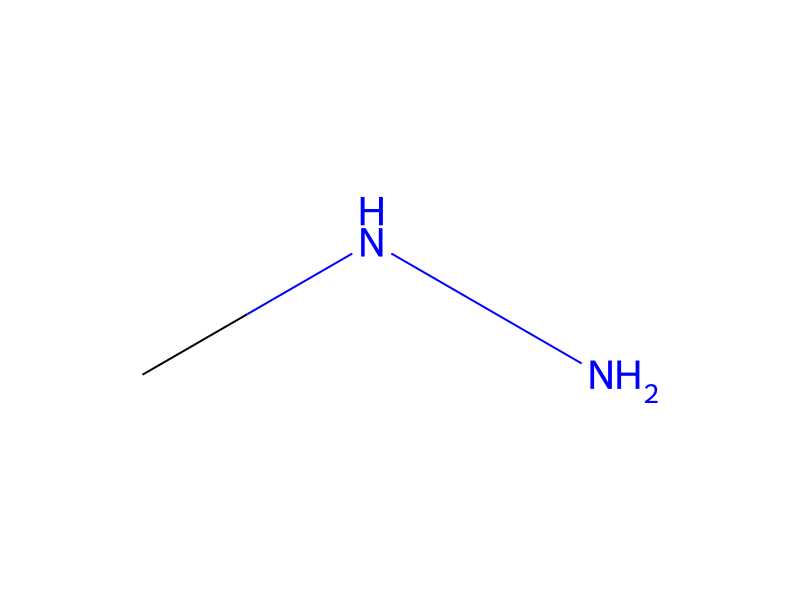
Cl[C:2]1[C:7]([C:8]#[N:9])=[C:6]([C:10]2[CH:15]=[CH:14][CH:13]=[CH:12][CH:11]=2)[CH:5]=[C:4]([N:16]2[CH2:21][CH2:20][O:19][CH2:18][CH2:17]2)[N:3]=1.[CH3:22][NH:23][NH2:24].C(O)CO>O>[NH2:9][C:8]1[C:7]2[C:2](=[N:3][C:4]([N:16]3[CH2:21][CH2:20][O:19][CH2:18][CH2:17]3)=[CH:5][C:6]=2[C:10]2[CH:15]=[CH:14][CH:13]=[CH:12][CH:11]=2)[N:23]([CH3:22])[N:24]=1Participants
5
Reactant 3


Product 1

Reagents, catalysts & solvents 1

Conditions
- Temperature
- 170 °C
Procedure
A mixture consisting of 3.0 gm (0.01 mol) of 2-chloro-6-morpholino-4-phenyl-3-cyano-pyridine, 1.4 gm (0.03 mol) of methyl-hydrazine and 4 ml of ethylene glycol was refluxed for 3 hours at 170° C. (bath temperature). The resulting solution was then taken up in 50 ml of water, whereupon the reaction product initially separated out as a pasty precipitate. The pasty product was collected and digested with water, and after it has solidified it was suction-filtered off, washed and dried, yielding 2.8 gm (91% of theory) of the compound of the formula ##STR7## After recrystallizing the product over from methanol it had a melting point of 149°-152° C.
Workup
- custominitially separated out as a pasty precipitate
- customThe pasty product was collected
- filtrationwas suction-filtered off
- washwashed
- customdried
- customyielding 2.8 gm (91% of theory) of the compound of the formula
- custom##STR7## After recrystallizing the product over from methanol it
Sources & evidence
- ORD record
- ord-91866cab9a53497cb4d4e7a10f7e58fa
- Source dataset
- uspto-grants-1980_01
- Patent number
- US04182887
Reaction notes
Loading…