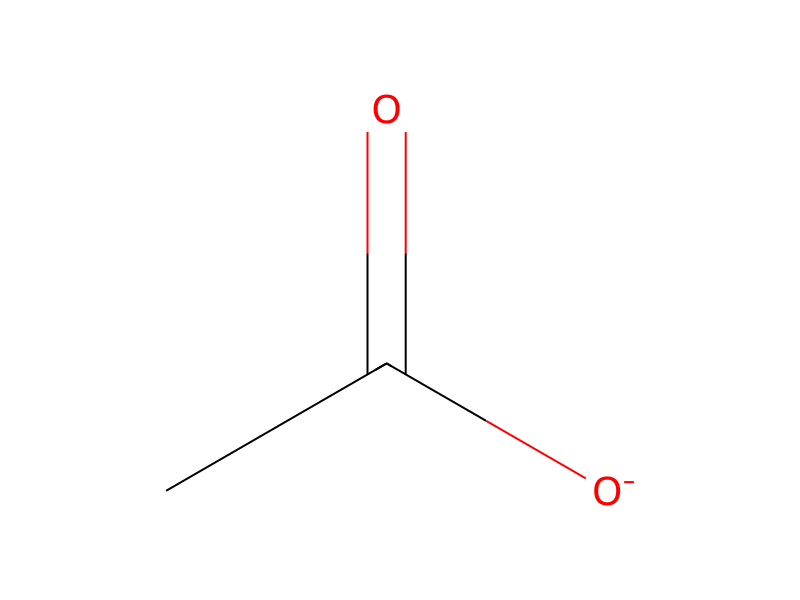
Acetate → N-(1-allyl-2-pyrrolidylmethyl)-7-sulfamoyl-1,4-benzodioxane-5-carboxamide
Reaction equation

CO[C:3]([C:5]1[C:14]2[O:13][CH2:12][CH2:11][O:10][C:9]=2[CH:8]=[C:7]([S:15](=[O:18])(=[O:17])[NH2:16])[CH:6]=1)=[O:4].[CH2:19]([N:22]1[CH2:26][CH2:25][CH2:24][CH:23]1[CH2:27][NH2:28])[CH:20]=[CH2:21].C([O-])(=O)C>O>[CH2:19]([N:22]1[CH2:26][CH2:25][CH2:24][CH:23]1[CH2:27][NH:28][C:3]([C:5]1[C:14]2[O:13][CH2:12][CH2:11][O:10][C:9]=2[CH:8]=[C:7]([S:15](=[O:17])(=[O:18])[NH2:16])[CH:6]=1)=[O:4])[CH:20]=[CH2:21]Participants



Procedure
145 g of methyl-7-sulfamoyl-1,4-benzodioxane-5-carboxylate, 48 g of water and 89 g of 1-allyl-2-aminomethylpyrrolidine were introduced into a balloon flask provided with a condenser. The mixture was heated on a water bath until a test sample was soluble in dilute acids and then 1 liter of water was added. The precipitated carboxamide was redissolved by acetate formation. The solution formed was filtered on carbon black and then the base was precipitated by the addition of 20% ammonia. The resulting crystals were dried off, washed with water, dried and purified by passing over hydrochloride (M.P.: 228°-230° C.) followed by transformation into a base by treatment with 20% ammonia. 131 g of N-(1-allyl-2-pyrrolidylmethyl)-7-sulfamoyl-1,4-benzodioxane-5-carboxamide was produced (M.P.: 143°-144° C.; yield: 64.8%). The structure was confirmed by nuclear magnetic resonance.
Workup
- customprovided with a condenser
- temperatureThe mixture was heated on a water bath until a test sample
- customThe solution formed
- filtrationwas filtered on carbon black
- customthe base was precipitated by the addition of 20% ammonia
- customThe resulting crystals were dried off
- washwashed with water
- customdried
- custompurified
Sources & evidence
- ORD record
- ord-8e7e3547811b431fad9b5350628b71dd
- Source dataset
- uspto-grants-1980_01
- Patent number
- US04186135
Reaction notes
Loading…