Cesium carbonate → Ethylacetate heptane
Reaction equation

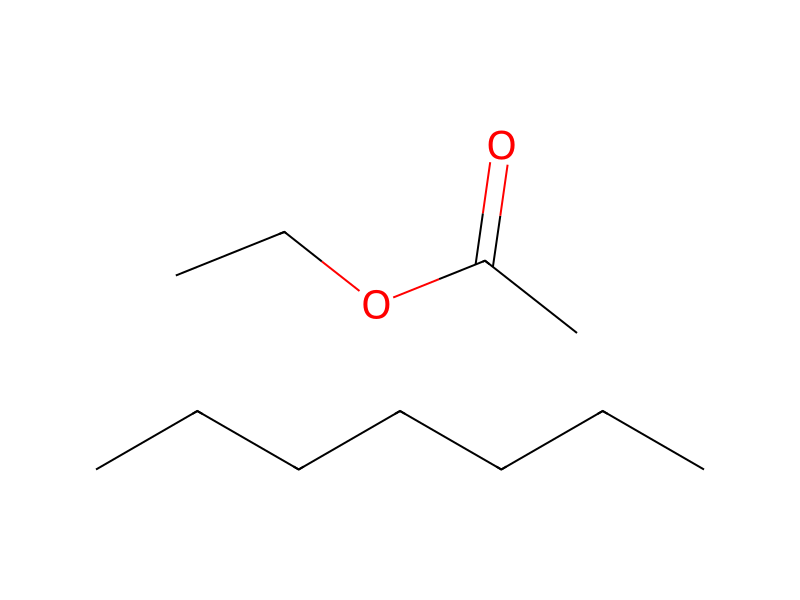
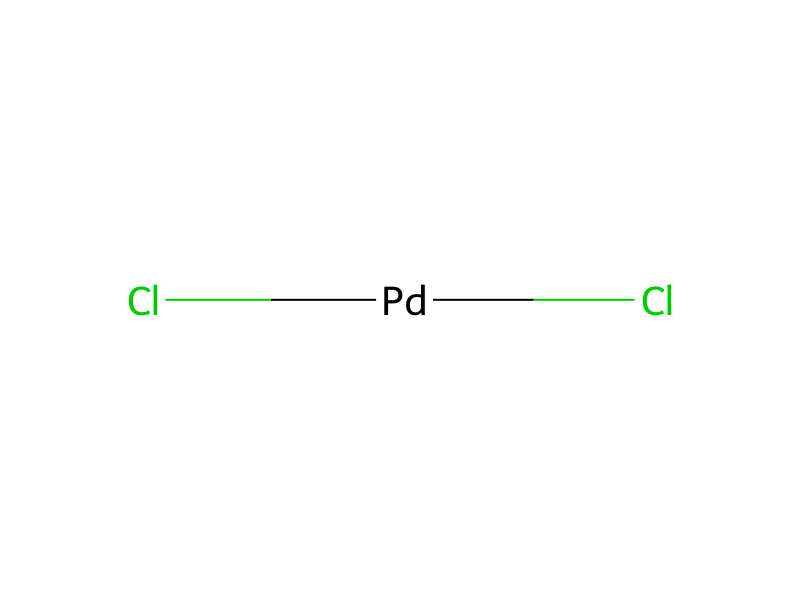
[CH2:1]([O:3][CH2:4][O:5][C:6]1[C:15]2[C:14](C)(C)CCC(C)(C)[C:10]=2[CH:9]=[C:8](B(O)O)[CH:7]=1)[CH3:2].[C:23](=O)([O-])[O-].[Cs+].[Cs+].ClC(C1C=C2C(=CC=1)C=C(C(OC)=O)C=C2)=O>C1(C)C=CC=CC=1.[Pd](Cl)Cl>[C:4]([O:3][CH2:1][CH3:2])(=[O:5])[CH3:23].[CH3:14][CH2:15][CH2:6][CH2:7][CH2:8][CH2:9][CH3:10]Participants
6




Procedure
5 g (16 mmol) of 4-ethoxymethoxy-5,5,8,8-tetramethyl-5,6,7,8-tetrahydro-2-naphthalene boronic acid are dissolved in 100 mL of toluene. 26 g (80 mmol) of caesium carbonate are added and the medium is degassed for 15 minutes with a flow of nitrogen. 14 mg (0.8 mmol) of palladium chloride are added, followed by 5.47 g (22 mmol) of methyl 6-chlorocarbonyl-2-naphthalenecarboxylate in 1 g portions. The reaction medium is refluxed for 15 hours and then hydrolysed and extracted with ethyl acetate. The residue obtained is purified by chromatography (eluent: 9/1 heptane/ethyl acetate). The product is then recrystallized from an ethyl acetate/heptane mixture (m=4.3 g; yield=59%; m.p.=96° C.).
Workup
- customthe medium is degassed for 15 minutes with a flow of nitrogen
- temperatureThe reaction medium is refluxed for 15 hours
- extractionhydrolysed and extracted with ethyl acetate
- customThe residue obtained
- customis purified by chromatography (eluent: 9/1 heptane/ethyl acetate)
Sources & evidence
- ORD record
- ord-3f45bbe0f2174b76b88819254c01adce
- Source dataset
- uspto-grants-2008_02
- Patent number
- US07326803B2
Reaction notes
Loading…