1-Butanol → Butyl oxoacetate
Reaction equation

[CH2:1]([OH:5])[CH2:2][CH2:3][CH3:4].[CH:6]([CH:8]=[O:9])=[O:7]>C(O)CCCCCCC>[C:8]([O:5][CH2:1][CH2:2][CH2:3][CH2:4][CH2:1][CH2:2][CH2:3][CH3:4])(=[O:9])[CH:6]=[O:7].[C:8]([O:5][CH2:1][CH2:2][CH2:3][CH3:4])(=[O:9])[CH:6]=[O:7]Participants
5
Reactant 2

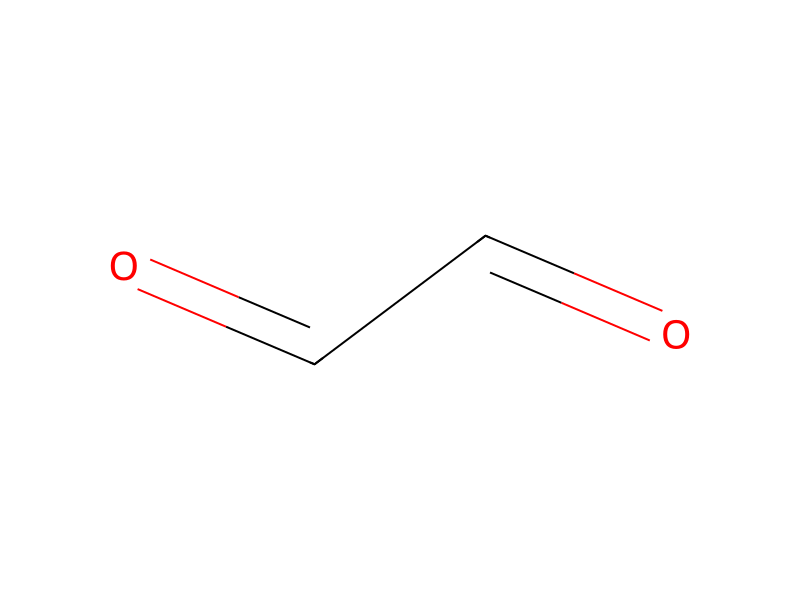
Product 2


Reagents, catalysts & solvents 1

Procedure
5.17 g of the butanol solution of glyoxal obtained in Example 2-11, 9.62 g of 1-octanol, and 0.6 g of the above-mentioned metal-loading carrier were put into an autoclave, and an oxidation reaction was conducted by the same operation as in Example 2-11. The reaction solution thus obtained was analyzed, which revealed the glyoxal conversion to be 90%, and the combined 1-octyl glyoxylate and 1-butyl glyoxylate (the product) selectivity and yield to be 74% and 67%, respectively.
Workup
- customan oxidation reaction
- customThe reaction solution thus obtained
Sources & evidence
- ORD record
- ord-3b39c16de8b145658d7beb85bca752c7
- Source dataset
- uspto-grants-2008_02
- Patent number
- US07326806B2
Reaction notes
Loading…