Acrylonitrile → HCID 67407225, compound
Reaction equation

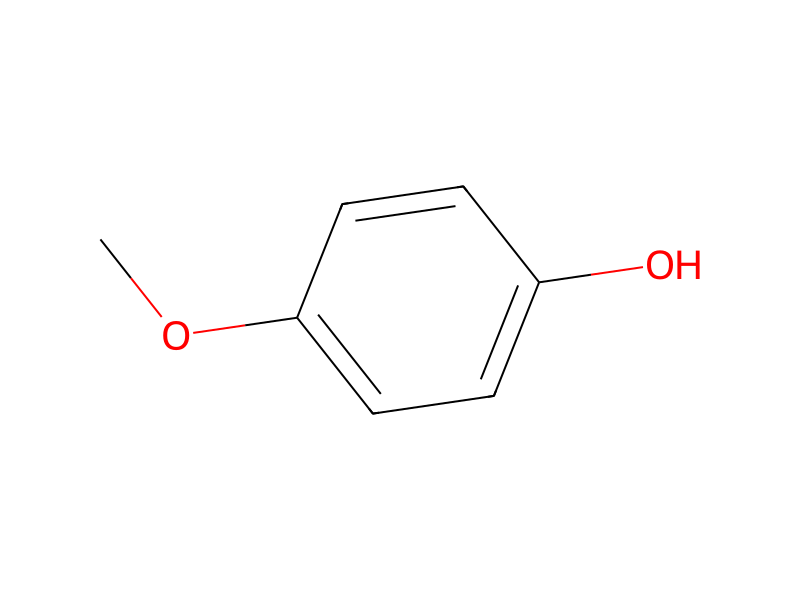
[CH3:1][N:2]([CH3:16])[C:3]1([C:10]2[CH:15]=[CH:14][CH:13]=[CH:12][CH:11]=2)[CH2:8][CH2:7][C:6](=[O:9])[CH2:5][CH2:4]1.[CH:17]1([NH2:23])CCC[CH2:19][CH2:18]1.C(#N)C=C>C1(C)C=CC=CC=1.C(O)(=O)C.COC1C=CC(O)=CC=1>[CH3:1][N:2]([CH3:16])[C:3]1([C:10]2[CH:11]=[CH:12][CH:13]=[CH:14][CH:15]=2)[CH2:8][CH:7]([CH2:19][CH2:18][C:17]#[N:23])[C:6](=[O:9])[CH2:5][CH2:4]1Participants




Conditions
- Temperature
- 90 °C
Procedure
4-(dimethylamino)-4-phenylcyclohexanone (2.17 g, 10 mmol) was added to a solution of cyclohexylamine (109 mg, 1 mmol), glacial acetic acid (26 mg, 0.43 mmol) and 4-methoxyphenol (26 mg, 0.21 mmol) in 10 ml of toluol. The mixture was heated to 90° C. (bath temperature) and mixed with acrylonitrile (4 ml, 60.8 mmol) within 2 h. The batch was then heated to 120° C. After 3 h the heating was removed and the batch mixed with 1N NaOH (20 ml) after RT was reached. The mixture obtained was extracted with ethyl acetate (3×20 ml). The combined organic phases were washed with water and then dried over MgSO4. The residue (2.2 g) obtained after removal of the solvent solidified upon standing and was mainly composed of the initial ketone and a more non-polar product compared to this. One of the two possible diastereoisomers of the ketone was obtained with a yield of 400 mg (14%) in the form of an oil by means of chromatographic purification [silica gel 60 G (10 g); cyclohexane/ethyl acetate 1:10 (120 ml)].
Workup
- temperatureThe batch was then heated to 120° C
- customAfter 3 h the heating was removed
- additionthe batch mixed with 1N NaOH (20 ml) after RT
- customThe mixture obtained
- extractionwas extracted with ethyl acetate (3×20 ml)
- washThe combined organic phases were washed with water
- dry with materialdried over MgSO4
Sources & evidence
- ORD record
- ord-9728c9d6bdf14b6b9b2bb9420f8b962d
- Source dataset
- uspto-grants-2012_10
- Patent number
- US08293758B2
Reaction notes
Loading…