Dicyclohexylcarbodiimide → 4'-Butoxy-2,3,3'-trifluorobiphenyl-4-yl 4'-propylbicyclohexane-4-carboxylate
Reaction equation

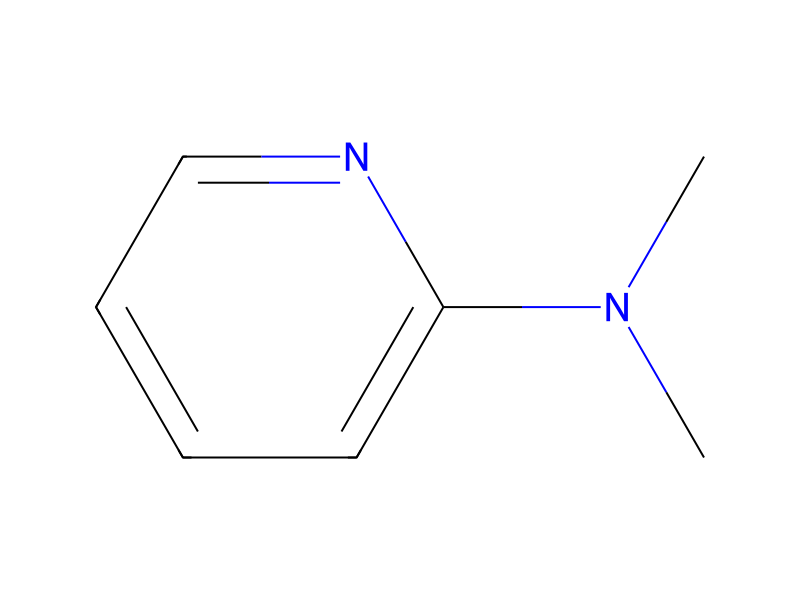
[CH2:1]([O:5][C:6]1[CH:11]=[CH:10][C:9]([C:12]2[CH:17]=[CH:16][C:15]([OH:18])=[C:14]([F:19])[C:13]=2[F:20])=[CH:8][C:7]=1[F:21])[CH2:2][CH2:3][CH3:4].C1(N=C=NC2CCCCC2)CCCCC1.CN(C1C=CC=CN=1)C.[CH2:46]([CH:49]1[CH2:54][CH2:53][CH:52]([CH:55]2[CH2:60][CH2:59][CH:58]([C:61](O)=[O:62])[CH2:57][CH2:56]2)[CH2:51][CH2:50]1)[CH2:47][CH3:48]>C1(C)C=CC=CC=1>[CH2:46]([CH:49]1[CH2:54][CH2:53][CH:52]([CH:55]2[CH2:60][CH2:59][CH:58]([C:61]([O:18][C:15]3[CH:16]=[CH:17][C:12]([C:9]4[CH:10]=[CH:11][C:6]([O:5][CH2:1][CH2:2][CH2:3][CH3:4])=[C:7]([F:21])[CH:8]=4)=[C:13]([F:20])[C:14]=3[F:19])=[O:62])[CH2:57][CH2:56]2)[CH2:51][CH2:50]1)[CH2:47][CH3:48]Participants
Reactant 4



Product 1

Reagents, catalysts & solvents 1

Procedure
4′-Butoxy-2,3,3′-trifluorobiphenyl-4-ol (T-11) (2.00 g) prepared in Example 8, dicyclohexylcarbodiimide (DCC) (1.46 g) and dimethylaminopyridine (DMAP) (0.08 g) were dissolved in toluene (100 ml), and 4′-propylbicyclohexane-4-carboxylic acid (1.70 g) was added, and then the stirring was continued at room temperature for another 16 hours. After the completion of the reaction, the reaction mixture was filtered and the filtrate was extracted with toluene. The organic layer was washed with a 1N—HCl aqueous solution, a 1N-aqueous sodium hydroxide solution, a saturated aqueous solution of sodium hydrogencarbonate, water and brine, and then dried over anhydrous magnesium sulfate. The solution was concentrated under reduced pressure to leave pale brown solids. Silica gel chromatography (heptane:ethyl acetate=20:1 by volume) and recrystallization (heptane:toluene=4:1 by volume) gave 4′-butoxy-2,3,3′-trifluorobiphenyl-4-yl 4′-propylbicyclohexane-4-carboxylate (1-8-14) as colorless powders (2.39 g) in 67% yield.
Workup
- customAfter the completion of the reaction
- filtrationthe reaction mixture was filtered
- extractionthe filtrate was extracted with toluene
- washThe organic layer was washed with a 1N—HCl aqueous solution
- dry with materiala 1N-aqueous sodium hydroxide solution, a saturated aqueous solution of sodium hydrogencarbonate, water and brine, and then dried over anhydrous magnesium sulfate
- concentrationThe solution was concentrated under reduced pressure
- customto leave pale brown solids
- customSilica gel chromatography (heptane:ethyl acetate=20:1 by volume) and recrystallization (heptane:toluene=4:1 by volume)
Sources & evidence
- ORD record
- ord-d59349229b68445e94fdabaf398dabf9
- Source dataset
- uspto-grants-2012_10
- Patent number
- US08298632B2
Reaction notes
Loading…