2,6-Lutidine → Benzyl carbamate
Reaction equation

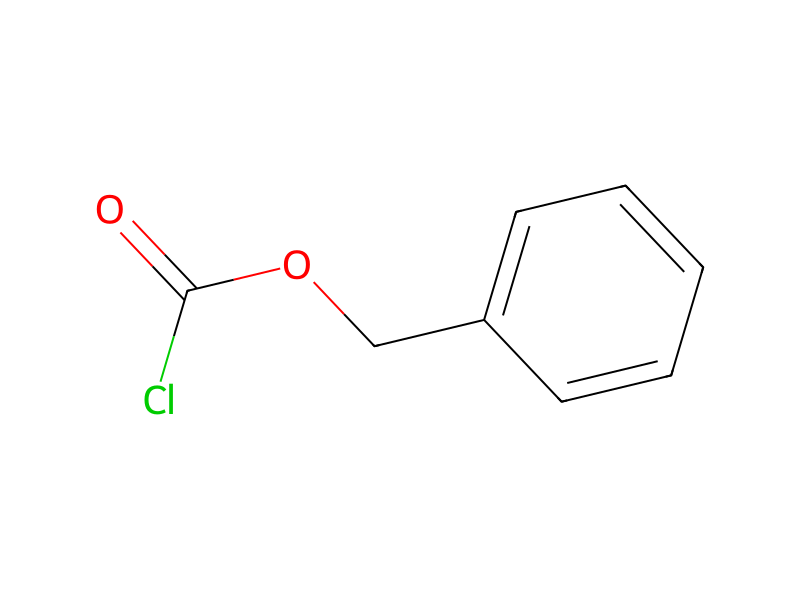
OCCC1C=CC([NH2:8])=CC=1C(F)(F)F.N1C(C)=CC=CC=1C.Cl[C:24]([O:26][CH2:27][C:28]1[CH:33]=[CH:32][CH:31]=[CH:30][CH:29]=1)=[O:25]>C(Cl)Cl>[CH2:27]([O:26][C:24](=[O:25])[NH2:8])[C:28]1[CH:33]=[CH:32][CH:31]=[CH:30][CH:29]=1Participants
5
Reactant 3


Product 1

Reagents, catalysts & solvents 1

Procedure
4-(2-Hydroxyethyl)-3-(trifluoromethyl)aniline (408 mg, 2.0 mmol) was dissolved in DCM (10 mL), and 2,6-lutidine (426 mg, 4.0 mmol) and then benzyl chloroformate (678 mg, 4.0 mmol) were dropwise added thereto. The resulting mixture was stirred at room temperature for 1.5 hours. The reaction solution was quenched with a saturated sodium bicarbonate solution, and the organic layer was washed with saturated brine and concentrated under reduced pressure. The residue was purified by silica-gel column chromatography (n-hexane:ethyl acetate=3:1) to give 4-(2-hydroxyethyl)-3-(trifluoromethyl)phenyl]carbamic acid benzyl ester (429 mg, 64%) as a light-yellow oil.
Workup
- customThe reaction solution was quenched with a saturated sodium bicarbonate solution
- washthe organic layer was washed with saturated brine
- concentrationconcentrated under reduced pressure
- customThe residue was purified by silica-gel column chromatography (n-hexane:ethyl acetate=3:1)
Sources & evidence
- ORD record
- ord-175eb8b1741e4063b7d63fc8190382d8
- Source dataset
- uspto-grants-2012_10
- Patent number
- US08299252B2
Reaction notes
Loading…