Benzene → 2-[1-Chloromethyl-3-(5-bromothiazol-2-yl)ureido]acetaldehyde
Reaction equation

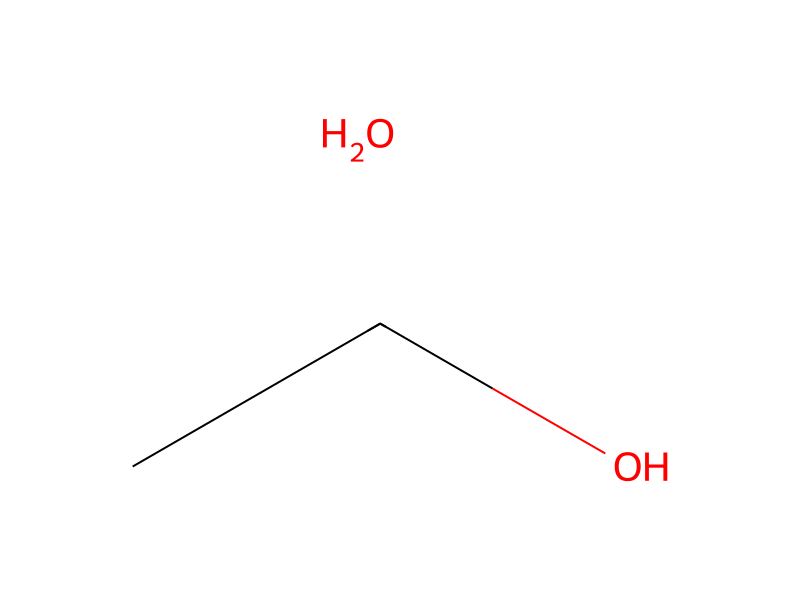
[Br:1][C:2]1[S:6][C:5]([N:7]=[C:8]=[O:9])=[N:4][CH:3]=1.C1C=CC=CC=1.[Cl:16][CH2:17][NH:18][CH2:19][CH:20]=[O:21]>C(O)C.O>[Cl:16][CH2:17][N:18]([CH2:19][CH:20]=[O:21])[C:8]([NH:7][C:5]1[S:6][C:2]([Br:1])=[CH:3][N:4]=1)=[O:9]Participants
5


Procedure
5-Bromothiazol-2-yl isocyanate dimer (17.0 grams), benzene (70 ml) and the dimethyl acetal of 2-chloromethylaminoacetaldehyde (13.5 grams) are charged into a glass reaction vessel equipped with a mechanical stirrer and thermometer. The reaction mixture is then stirred at room temperature for a period of about one hour. After this time the reaction mixture is filtered, and the filtrate is stripped of solvent under reduced pressure, leaving an oil. This oil is dissolved in an ethanol-water mixture, and the solution is filtered. The filtrate is then stripped of solvents under vacuum to yield the desired product the dimethyl acetal of 2-[1-chloromethyl-3-(5-bromothiazol-2-yl)ureido]acetaldehyde.
Workup
- customequipped with a mechanical stirrer
- filtrationAfter this time the reaction mixture is filtered
- customleaving an oil
- filtrationthe solution is filtered
Sources & evidence
- ORD record
- ord-7efefc14b16a4ad79290f8dbfab67bd4
- Source dataset
- uspto-grants-1977_09
- Patent number
- US04046768
Reaction notes
Loading…