Ammonia → HCID 21411766, compound
Reaction equation

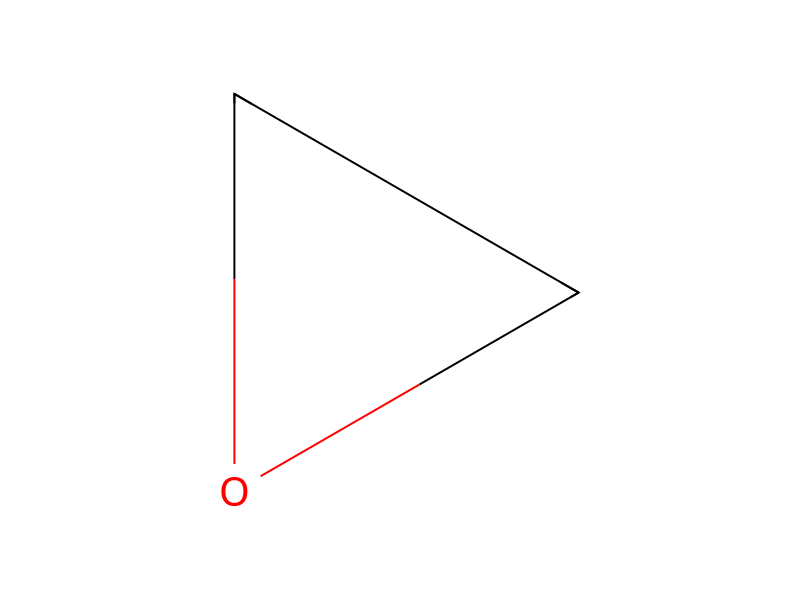
N.[K].[CH2:3]([O:5][CH:6]([O:15][CH2:16][CH3:17])[CH2:7][CH2:8][C:9]1[CH:14]=[CH:13][N:12]=[CH:11][CH:10]=1)[CH3:4].[CH2:18]1[O:20][CH2:19]1.[Cl-].[NH4+]>C(OCC)C>[CH2:16]([O:15][CH:6]([O:5][CH2:3][CH3:4])[CH2:7][CH:8]([C:9]1[CH:14]=[CH:13][N:12]=[CH:11][CH:10]=1)[CH2:18][CH2:19][OH:20])[CH3:17]Participants
Reactant 5



Product 1

Reagents, catalysts & solvents 1

Procedure
To stirred liquid ammonia (2 liters) was added ferric nitrate (0.1 gm) followed by potassium metal (14 gms) in 1 gram pieces over a period of 20 minutes. To the resulting solution 3-(4-pyridyl)-propionaldehyde diethyl acetal (21 gms) was added over a period of 3 minutes and a deep yellow colour was allowed to develop over a period of 2 hours. Liquid ethylene oxide (25 mls) was then added and the mixture was stirred for a further 3 hours. Solid ammonium chloride (20 gms) was added in small portions followed by diethyl ether (1 liter). The ammonia was allowed to evaporate overnight and the residual mixture was filtered. The solvent was evaporated from the filtrate and the residual oil was distilled to give 1,1-diethoxy-3-(4-pyridyl)-pentan-5-ol (18 gms, 70% conversion) b.p. 170°-175° C/1 mm Hg, as a thick colourless oil.
Workup
- customto evaporate overnight
- filtrationthe residual mixture was filtered
- customThe solvent was evaporated from the filtrate
- distillationthe residual oil was distilled
Sources & evidence
- ORD record
- ord-cb329e49a81741caac8dbf74f0f328e4
- Source dataset
- uspto-grants-1977_09
- Patent number
- US04048180
Reaction notes
Loading…