N-Ethylbenzylamine → 5-[3-(N-Benzyl-N-ethylamino)-propyl]-5H-dibenzo[a,d]cycloheptene
Reaction equation

I[CH2:2][CH2:3][CH2:4][CH:5]1[C:11]2[CH:12]=[CH:13][CH:14]=[CH:15][C:10]=2[CH:9]=[CH:8][C:7]2[CH:16]=[CH:17][CH:18]=[CH:19][C:6]1=2.[CH2:20]([NH:22][CH2:23][C:24]1[CH:29]=[CH:28][CH:27]=[CH:26][CH:25]=1)[CH3:21]>>[CH2:23]([N:22]([CH2:2][CH2:3][CH2:4][CH:5]1[C:11]2[CH:12]=[CH:13][CH:14]=[CH:15][C:10]=2[CH:9]=[CH:8][C:7]2[CH:16]=[CH:17][CH:18]=[CH:19][C:6]1=2)[CH2:20][CH3:21])[C:24]1[CH:29]=[CH:28][CH:27]=[CH:26][CH:25]=1Participants
3
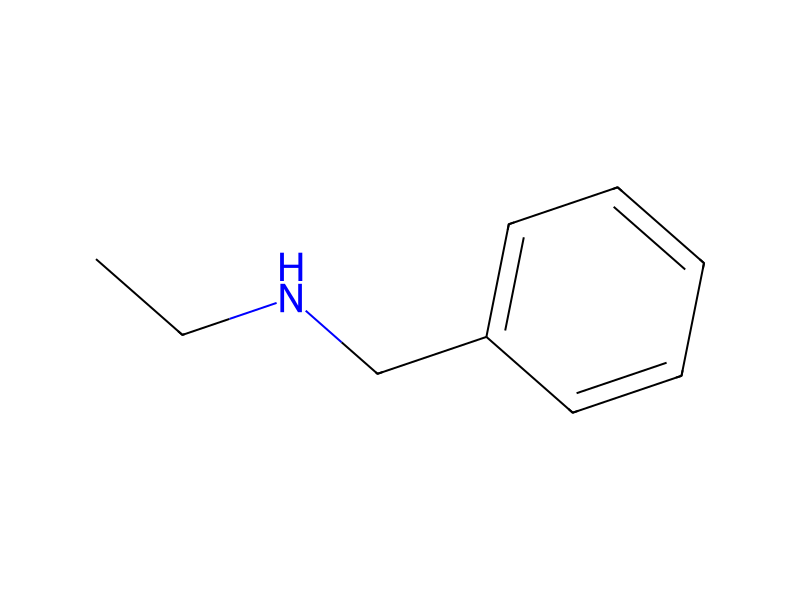


Procedure
5-(3-Iodopropyl)-5H-dibenzo[a,d]cycloheptene is added gradually to an excess of N-ethyl benzylamine in absolute alcohol with stirring and cooling. The reaction mixture then is heated to refluxing for 30 minutes and the alcohol distilled under reduced pressure. The residue is warmed with dilute acid and the acid-insoluble material separated. The aqueous layer then is rendered alkaline with sodium hydroxide and the liberated bases extracted into ether. The ether is evaporated and the product isolated by vacuum distillation.
Workup
- temperaturecooling
- temperatureThe reaction mixture then is heated
- temperatureto refluxing for 30 minutes
- distillationthe alcohol distilled under reduced pressure
- temperatureThe residue is warmed
- additionwith dilute acid
- customthe acid-insoluble material separated
- extractionthe liberated bases extracted into ether
- customThe ether is evaporated
- customthe product isolated by vacuum distillation
Sources & evidence
- ORD record
- ord-862c50f2c2ff4b34a34e38749b3eff03
- Source dataset
- uspto-grants-1977_09
- Patent number
- US04048223
Reaction notes
Loading…