Dichloromethane → HCID 67067092, compound
Reaction equation

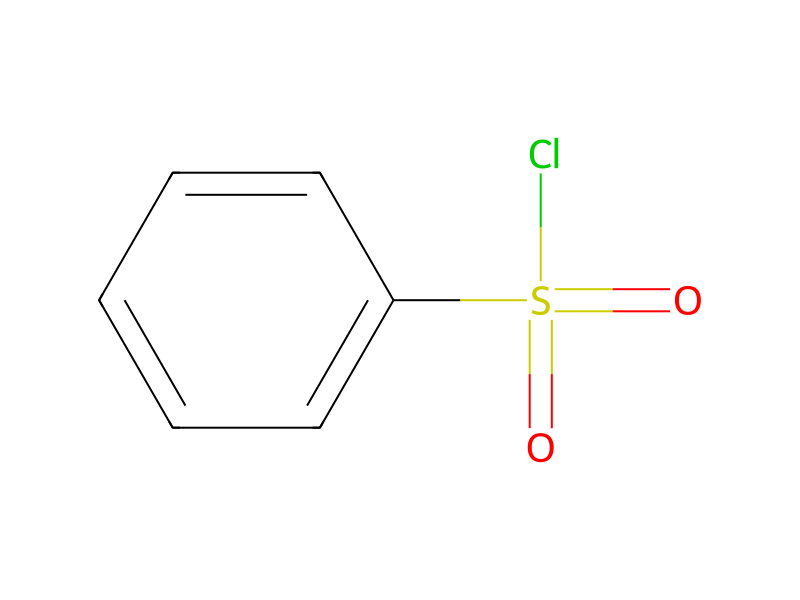
[C:1]1([S:7](Cl)(=[O:9])=[O:8])[CH:6]=[CH:5][CH:4]=[CH:3][CH:2]=1.ClCCl.Cl.Cl.[N:16]1([C:22]([O:24][C:25]2[CH:26]=[N:27][CH:28]=[CH:29][CH:30]=2)=[O:23])[CH2:21][CH2:20][NH:19][CH2:18][CH2:17]1>C(Cl)(Cl)Cl>[C:1]1([S:7]([N:19]2[CH2:20][CH2:21][N:16]([C:22]([O:24][C:25]3[CH:26]=[N:27][CH:28]=[CH:29][CH:30]=3)=[O:23])[CH2:17][CH2:18]2)(=[O:9])=[O:8])[CH:6]=[CH:5][CH:4]=[CH:3][CH:2]=1Participants
5
Reactant 3


Product 1

Reagents, catalysts & solvents 1

Procedure
TEA (0.23 ml) and benzenesulfonyl chloride (0.075 ml) were added to a dichloromethane (5 ml) solution containing 3-pyridyl 1-piperazinecarboxylate dihydrochloride (150 mg), followed by stirring overnight at room temperature. The reaction solution was diluted with chloroform, the organic layer was washed with aqueous saturated sodium hydrogencarbonate solution, and dried over anhydrous magnesium sulfate. The solvent was evaporated under reduced pressure, the residue was purified by silica gel column chromatography (eluent: chloroform), and the resulting solid was recrystallized from 2-propanol to obtain 3-pyridyl 4-(phenylsulfonyl)-1-piperazinecarboxylate (130 mg).
Workup
- washthe organic layer was washed with aqueous saturated sodium hydrogencarbonate solution
- dry with materialdried over anhydrous magnesium sulfate
- customThe solvent was evaporated under reduced pressure
- customthe residue was purified by silica gel column chromatography (eluent: chloroform)
- customthe resulting solid was recrystallized from 2-propanol
Sources & evidence
- ORD record
- ord-15c8a91eca96413c9d975cbb48816ce6
- Source dataset
- uspto-grants-2011_04
- Patent number
- US07919495B2
Reaction notes
Loading…