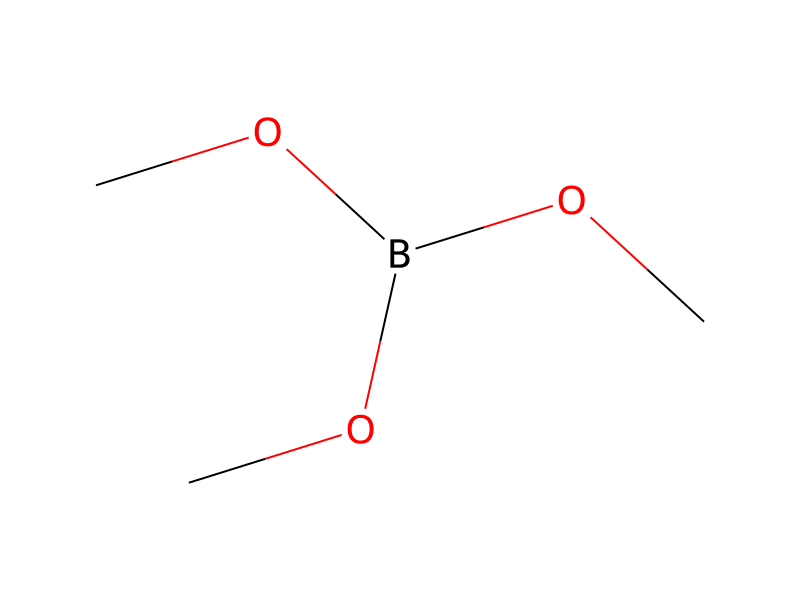
Trimethyl borate → (+)-Pinanediol (3-[1,3]dioxolan-2-yl-phenyl)boronate
Reaction equation

Br[C:2]1[CH:3]=[C:4]([CH:8]2[O:12][CH2:11][CH2:10][O:9]2)[CH:5]=[CH:6][CH:7]=1.C[O:14][B:15](OC)[O:16]C.[C:20]12([OH:31])[CH2:28][CH:24]([C:25]1([CH3:27])[CH3:26])[CH2:23][CH2:22][C:21]2([OH:30])[CH3:29]>>[O:9]1[CH2:10][CH2:11][O:12][CH:8]1[C:4]1[CH:3]=[C:2]([B:15]([OH:16])[OH:14])[CH:7]=[CH:6][CH:5]=1.[C:20]12([OH:31])[CH2:28][CH:24]([C:25]1([CH3:27])[CH3:26])[CH2:23][CH2:22][C:21]2([OH:30])[CH3:29]Participants


Procedure
Synthesis of compounds 16 and 21 are as previously described above. As detailed below, with reference to Scheme 3 and examples 20 and 21, below, the synthesis of compound 26 is described. (+)-pinanediol (1R)-1-acylamino-1-(3-formylphenyl)methylboronates 25, 26 were obtained starting from commercial 2-(3-bromo-phenyl)-[1,3]dioxolane (22a), following the same procedure. Metallation of 22a with buthyllithium at −78° C., followed by reaction with trimethylborate and transesterification with (+)-pinanediol, afforded the desired (+)-pinanediol (3-[1,3]dioxolan-2-yl-phenyl)boronate (+)-23a together with variable amount of (+)-pinanediol (3-dimethoxymethyl)phenylboronate (+)-23b, this latter probably formed by transacetalization with the in situ formed methanol. To avoid this problem, 22a was converted to 22b (88%) and subsequently boronated to (+)-23b (75%).
Sources & evidence
- ORD record
- ord-111adf58511049e98f7719c74814da2d
- Source dataset
- uspto-grants-2011_04
- Patent number
- US07928129B1
Reaction notes
Loading…