HCID 15623664, compound → N-benzyl-3-pyrrolidinol
Reaction equation

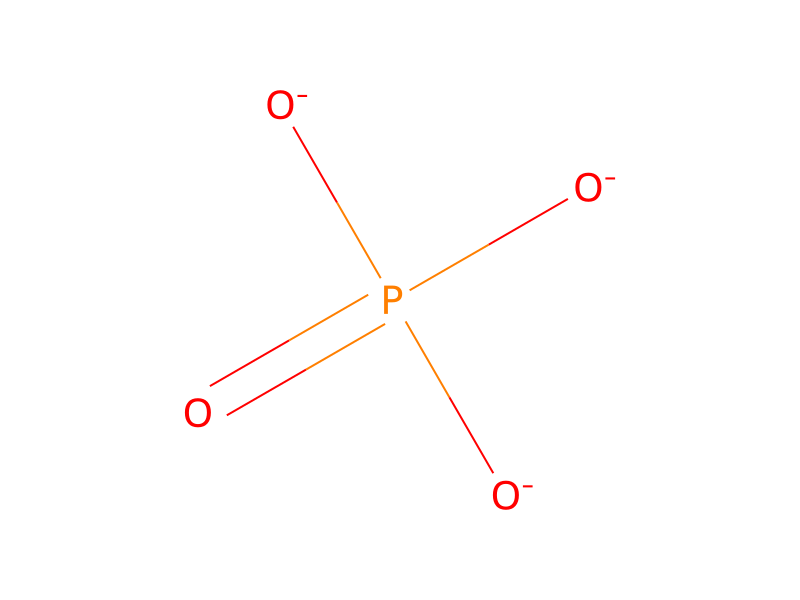
[CH2:1]([N:8]1[CH2:12][CH2:11][CH:10]([O:13]C(=O)CCCCC)[CH2:9]1)[C:2]1[CH:7]=[CH:6][CH:5]=[CH:4][CH:3]=1>P([O-])([O-])([O-])=O>[CH2:1]([N:8]1[CH2:12][CH2:11][CH:10]([OH:13])[CH2:9]1)[C:2]1[CH:3]=[CH:4][CH:5]=[CH:6][CH:7]=1Participants
Reactant 1

Product 1

Reagents, catalysts & solvents 1
Procedure
First, 10 g of (RS)-N-benzyl-3-hexanoyloxypyrrolidine and one of the commercially available enzymes listed in Table 3 were added to 100 ml of 0.1 M phosphate buffer (pH 7.0). This mixture was allowed to react at 40° C. with agitation for 22-120 hours. Then, the unreacted (RS)-N-benzyl-3-hexanoyloxypyrrolidine was recovered by three extractions from the reaction mixture with equal volumes of hexane. The aqueous phase was then adjusted to pH 13 by the addition of NaOH, and the hydrolyzed N-benzyl-3-hydroxypyrrolidine was obtained by three extractions with equal volumes of hexane. After removal of the solvent under reduced pressure, distillation yielded purified N-benzyl-3-hydroxypyrrolidine in colorless, transparent, oily form. After tosylation, the optical purity of this purified product was measured by HPLC. The results with the different enzymes used are shown in Table 3.
Workup
- customto react at 40° C. with agitation for 22-120 hours
- customThen, the unreacted (RS)-N-benzyl-3-hexanoyloxypyrrolidine was recovered by three extractions from the reaction mixture with equal volumes of hexane
- additionThe aqueous phase was then adjusted to pH 13 by the addition of NaOH
Sources & evidence
- ORD record
- ord-ac378094c5b7462e9104163daf202ff0
- Source dataset
- uspto-grants-1993_02
- Patent number
- US05187094
Reaction notes
Loading…