Dichloromethane → HCID 19779548, compound
Reaction equation

[C:1](Cl)(Cl)=[S:2].C(=O)([O-])[O-].[Ca+2].ClCCl.[CH:13]([C:17]1[CH:23]=[C:22]([CH2:24][C:25]2[CH:30]=[CH:29][CH:28]=[CH:27][CH:26]=2)[CH:21]=[C:20]([CH:31]([CH2:33][CH3:34])[CH3:32])[C:18]=1[NH2:19])([CH2:15][CH3:16])[CH3:14]>ClC(Cl)C.O>[CH:31]([C:20]1[CH:21]=[C:22]([CH2:24][C:25]2[CH:30]=[CH:29][CH:28]=[CH:27][CH:26]=2)[CH:23]=[C:17]([CH:13]([CH2:15][CH3:16])[CH3:14])[C:18]=1[N:19]=[C:1]=[S:2])([CH2:33][CH3:34])[CH3:32]Participants
7
Reactant 4



Product 1

Reagents, catalysts & solvents 2


Procedure
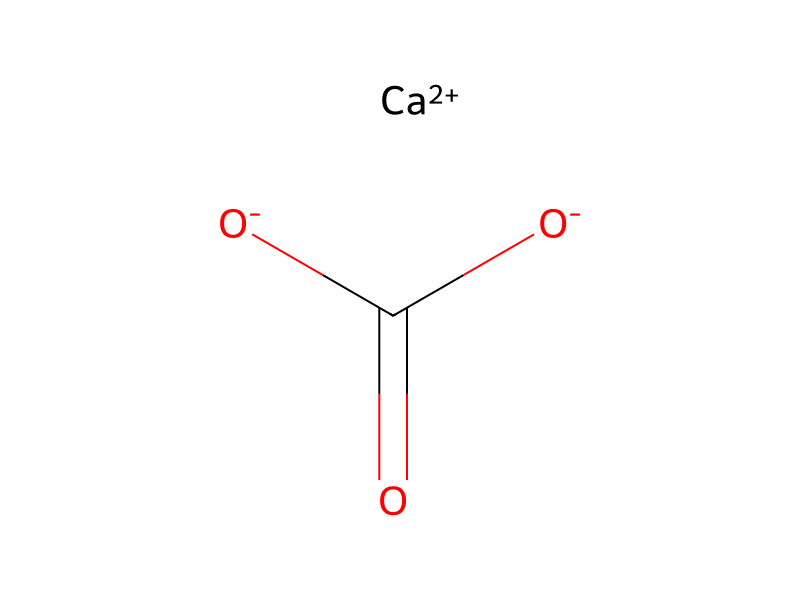
14.3 g of thiophosgene, 23.0 g of calcium carbonate and 460 ml of dichloromethane are stirred with 230 ml of water. A solution of 30.8 g of 2,6-di-sec-butyl-4-benzylaniline in 200 ml of dichloroethane is stirred dropwise into this mixture at room temperature. The reaction mixture is stirred for two hours under reflux and, after cooling, is filtered over diatomaceous earth. The organic phase is separated from the filtrate, dried over sodium sulfate and freed of the solvent to give the title compound of formula ##STR15## in the form of a yellow oil which is used without further purification for the next reaction.
Workup
- temperatureunder reflux
- temperatureafter cooling
- filtrationis filtered over diatomaceous earth
- customThe organic phase is separated from the filtrate
- dry with materialdried over sodium sulfate
Sources & evidence
- ORD record
- ord-6be2ebe991e0468cadacac746a8b24ef
- Source dataset
- uspto-grants-1993_02
- Patent number
- US05187197
Reaction notes
Loading…