Dimethylamine → (5-Amino-4-benzyl-3-n-butoxybenzyl)dimethylamine
Reaction equation

Br.NC1C=C(C=C(S(=O)(=O)N)C=1CC1C=CC=CC=1)CBr.C(N)CCC.Br.[NH2:28][C:29]1[C:30]([CH2:42][C:43]2[CH:48]=[CH:47][CH:46]=[CH:45][CH:44]=2)=[C:31]([O:37][CH2:38][CH2:39][CH2:40][CH3:41])[CH:32]=[C:33]([CH:36]=1)[CH2:34]Br.[CH3:49][NH:50][CH3:51]>>[NH2:28][C:29]1[C:30]([CH2:42][C:43]2[CH:48]=[CH:47][CH:46]=[CH:45][CH:44]=2)=[C:31]([O:37][CH2:38][CH2:39][CH2:40][CH3:41])[CH:32]=[C:33]([CH:36]=1)[CH2:34][N:50]([CH3:51])[CH3:49]Participants
5
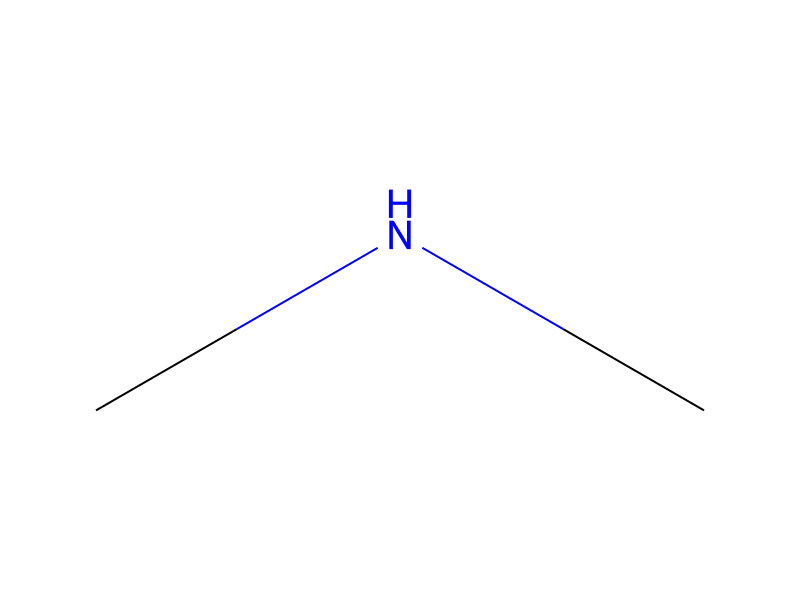


Procedure
By replacing in Example 110 3-amino-4-benzyl-5-sulfamylbenzylbromide hydrobromide and n-butylamine with 5-amino-4-benzyl-3-n-butoxybenzyl bromide hydrobromide and dimethylamine (40% in water) respectively, and following the procedure described, (5-amino-4-benzyl-3-n-butoxybenzyl)dimethylamine is obtained as a semi-solid material.
Sources & evidence
- ORD record
- ord-2d99d40c0bbd49118d30f4400b01272a
- Source dataset
- uspto-grants-1978_04
- Patent number
- US04082851
Reaction notes
Loading…