Acetone → Cyclohexanone
Reaction equation

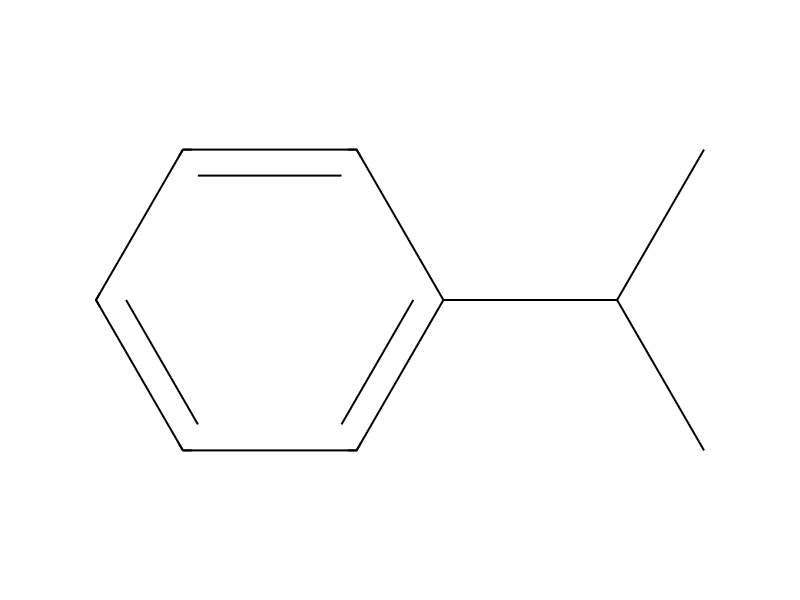
[C:1]1([CH:7]([CH3:9])[CH3:8])[CH:6]=[CH:5][CH:4]=[CH:3][CH:2]=1.[CH:10]1([C:16]2[CH:21]=[CH:20][CH:19]=[CH:18][CH:17]=2)CCC[CH2:12][CH2:11]1.CC(C)=[O:24]>>[C:1]1(=[O:24])[CH2:6][CH2:5][CH2:4][CH2:3][CH2:2]1.[CH:7]1([C:1]2[CH:6]=[CH:5][CH:4]=[CH:3][CH:2]=2)[CH2:9][CH2:21][CH2:20][CH2:19][CH2:18][CH2:17][CH2:16][CH2:10][CH2:11][CH2:12][CH2:8]1Participants
5



Procedure
Both the preparation of the starting material prepared by alkylation, e.g. cumene, cyclohexylbenzene (in the Hock process, cyclohexylbenzene gives not acetone but cyclohexanone) and cyclododecylbenzene (in the Hock process, cyclododecylbenzene gives cyclododecanone), and the acid-catalysed cleavage and rearrangement to phenol which follow the oxidation step generally proceed with high selectivity to give high yields.
Workup
- customBoth the preparation of the starting material
Sources & evidence
- ORD record
- ord-b0fd436155b24925881a316335879af3
- Source dataset
- uspto-grants-2004_04
- Patent number
- US06720462B2
Reaction notes
Loading…