Ammonium Chloride → HCID 11739339, compound
Reaction equation

[Br:1][C:2]1[CH:3]=[C:4]([N+:21]([O-])=O)[C:5]([NH:8][C:9]2[CH:14]=[CH:13][CH:12]=[C:11]([C:15]3[CH:16]=[N:17][CH:18]=[CH:19][CH:20]=3)[CH:10]=2)=[N:6][CH:7]=1.O.O.O.O.O.O.O.O.O.[S-2].[Na+].[Na+].[Cl-].[NH4+]>CO>[Br:1][C:2]1[CH:3]=[C:4]([NH2:21])[C:5]([NH:8][C:9]2[CH:14]=[CH:13][CH:12]=[C:11]([C:15]3[CH:16]=[N:17][CH:18]=[CH:19][CH:20]=3)[CH:10]=2)=[N:6][CH:7]=1Participants
5
Reactant 3

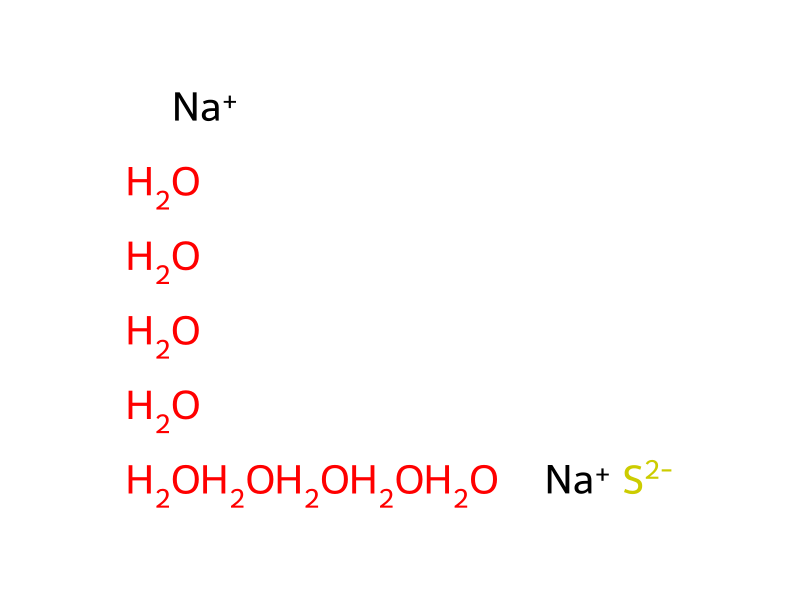

Product 1

Reagents, catalysts & solvents 1

Procedure
A suspension of N-(5-bromo-3-nitropyridin-2-yl)-N-[3-(pyridin-3-yl)phenyl]amine (3.7 g, 10 mmol), sodium sulphide nonahydrate (7.2 g, 30 mmol) and ammonium chloride (1.6 g, 30 mmol) in methanol (15 ml) was heated under reflux for 90 minutes. The reaction was cooled, evaporated to dryness and the residue suspended in ethyl acetate (200 ml). This was washed with water, brine, dried over anhydrous sodium sulphate, filtered and evaporated to dryness to afford 5-bromo-N2-[3-(pyridin-3-yl)phenyl]-pyridine-2,3-diamine as a yellow oil (3.4 g, 100%) which was used without purification; m/z (ES+) 341 and 343 (M++H).
Workup
- temperaturewas heated
- temperatureunder reflux for 90 minutes
- temperatureThe reaction was cooled
- customevaporated to dryness
- washThis was washed with water, brine
- dry with materialdried over anhydrous sodium sulphate
- filtrationfiltered
- customevaporated to dryness
Sources & evidence
- ORD record
- ord-fbf165b40e72454097b6cd174f757fab
- Source dataset
- uspto-grants-2004_04
- Patent number
- US06723735B1
Reaction notes
Loading…