Pyridine → (5-{1-[Bis-(4-methoxy-phenyl)-phenyl-methoxymethyl]-2-hydroxy-ethylcarbamoyl}-pentyl)-carbamic acid 17-(1,5-dimethyl-hexyl)-10,13-dimethyl-2,3,4,7,8,9,10,11,12,13,14,15,16,17-tetradecahydro-1H-cyclopenta[a]phenanthren-3-yl ester
Reaction equation

[CH3:1][CH:2]([CH:9]1[C:25]2([CH3:26])[CH:12]([CH:13]3[CH:22]([CH2:23][CH2:24]2)[C:21]2([CH3:27])[C:16]([CH2:17][CH:18]([O:28][C:29](=[O:44])[NH:30][CH2:31][CH2:32][CH2:33][CH2:34][CH2:35][C:36](=[O:43])[NH:37][CH:38]([CH2:41][OH:42])[CH2:39][OH:40])[CH2:19][CH2:20]2)=[CH:15][CH2:14]3)[CH2:11][CH2:10]1)[CH2:3][CH2:4][CH2:5][CH:6]([CH3:8])[CH3:7].CN([C:48]1[CH:53]=[CH:52][CH:51]=[CH:50]N=1)C.[C:54](Cl)(C1C=CC=CC=1)([C:63]1[CH:70]=[CH:69][C:66]([O:67][CH3:68])=[CH:65][CH:64]=1)[C:55]1[CH:62]=[CH:61][C:58]([O:59][CH3:60])=[CH:57][CH:56]=1.N1C=CC=C[CH:79]=1>>[CH3:1][CH:2]([CH:9]1[C:25]2([CH3:26])[CH:12]([CH:13]3[CH:22]([CH2:23][CH2:24]2)[C:21]2([CH3:27])[C:16]([CH2:17][CH:18]([O:28][C:29](=[O:44])[NH:30][CH2:31][CH2:32][CH2:33][CH2:34][CH2:35][C:36](=[O:43])[NH:37][CH:38]([CH:39]([C:50]4[CH:79]=[CH:48][CH:53]=[CH:52][CH:51]=4)[O:40][CH:54]([C:55]4[CH:62]=[CH:61][C:58]([O:59][CH3:60])=[CH:57][CH:56]=4)[C:63]4[CH:64]=[CH:65][C:66]([O:67][CH3:68])=[CH:69][CH:70]=4)[CH2:41][OH:42])[CH2:19][CH2:20]2)=[CH:15][CH2:14]3)[CH2:11][CH2:10]1)[CH2:3][CH2:4][CH2:5][CH:6]([CH3:7])[CH3:8]Participants
Reactant 4
 HCID 1049Pyridine2×
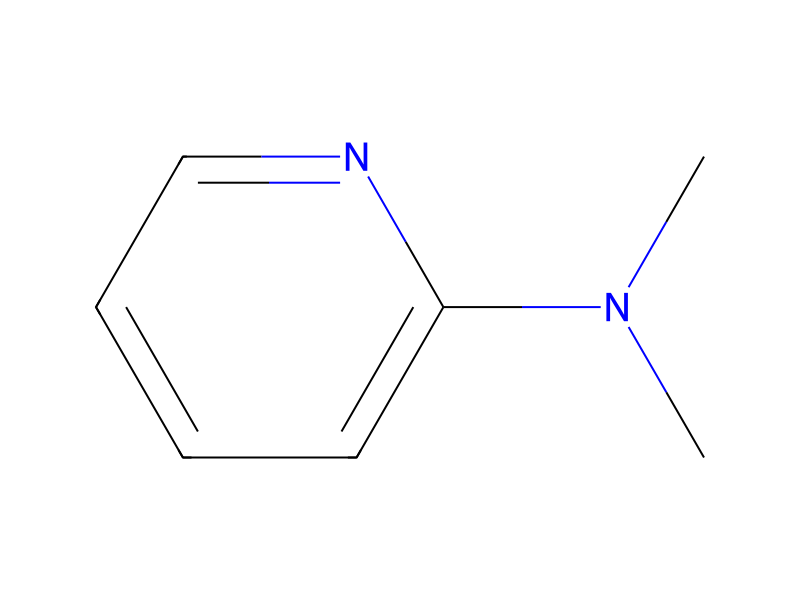 HCID 218852-Dimethylaminopyridine
 HCID 968311,1'-(Chlorophenylmethylene)bis(4-methoxybenzene)
 HCID 68636631[5-(2-Hydroxy-1-hydroxymethyl-ethylcarbamoyl)-pentyl]-carbamic acid 17-(1,5-dimethyl-hexyl)-10,13-dimethyl-2,3,4,7,8,9,10,11,12,13,14,15,16,17-tetradecahydro-1H-cyclopenta[a]phenanthren-3-yl ester
Product 1

Procedure
Diol 52 (5.6 g, 9.1 mmol) was co-evaporated with anhydrous pyridine three times and then dissolved in pyridine (10 mL). To this solution dimethylamino pyridine (0.110 g, 0.91 mmol) and DMT-Cl (3.23 g, 9.53 mmol, 1.05 equiv.) were added at room temperature. The reaction mixture was stirred at room temperature for 16 h. Due to the presence of two primary hydroxyl groups, the reaction never went to completion. The solution was dried under reduced pressure and co-evaporated with toluene to remove residual pyridine. To the residue was suspended in ethyl acetate (200 mL) and washed with saturated bicarbonate solution, brine and water. The organic layer was dried over anhydrous sodium sulfate, filtered and evaporated. The crude product was obtained after removal of the solvent. Upon purification over silica gel using 2% MeOH/DCM compound 53 (0.680 g, 10%) was obtained as white foamy solid.
Workup
- customDue to the presence of two primary hydroxyl groups, the reaction
- dry with materialThe solution was dried under reduced pressure and co-evaporated with toluene
- customto remove residual pyridine
- washwashed with saturated bicarbonate solution, brine and water
- dry with materialThe organic layer was dried over anhydrous sodium sulfate
- filtrationfiltered
- customevaporated
Sources & evidence
- ORD record
- ord-7386ba3a0ca94b99aee2563e95d18c84
- Source dataset
- uspto-grants-2010_06
- Patent number
- US07745608B2
Reaction notes
Loading…