Glycerol → HCID 178418489, compound
Reaction equation

[OH:1][CH2:2][CH:3]([CH2:5][OH:6])[OH:4]>C(O)(=O)C>[CH2:2]([OH:1])[C@@H:3]([C@H:5]([C@@H:2]([CH2:3][OH:4])[OH:1])[OH:6])[OH:4]Participants
Reactant 1
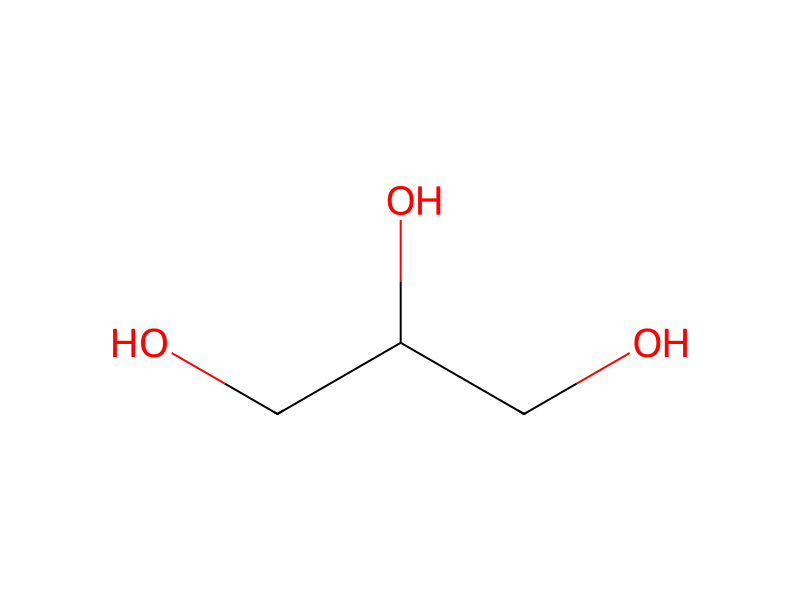
Product 1
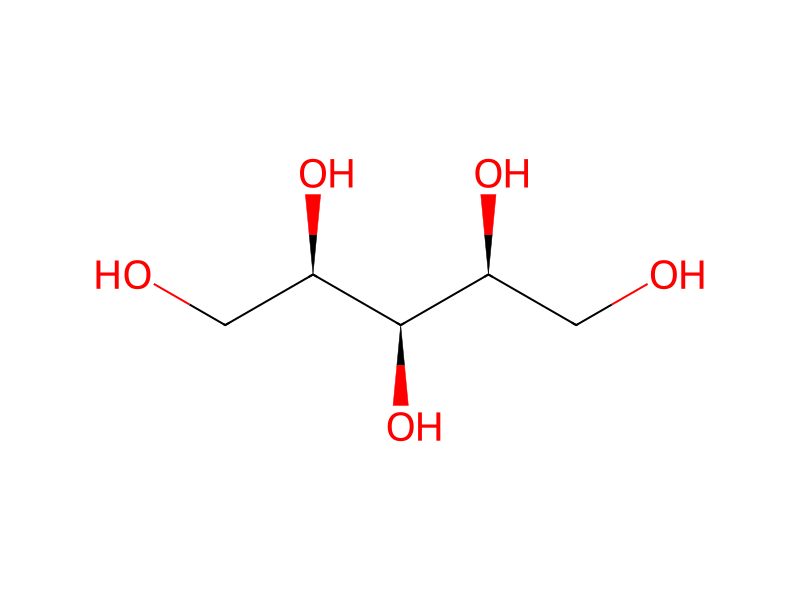
Reagents, catalysts & solvents 1

Procedure
Dr. Ho et al. of Purdue University have obtained ethanol in high yields from xylose in the presence of glucose using the Saccharomyces yeast 424A (LNH-ST) strain capable of producing ethanol in high yields from xylose. As a result of this Example, the R-WT strain was found to have the highest xylose fermentability in the presence of glucose. This yeast strain was compared with the 424A (LNH-ST) strain of the Dr. Ho et al in terms of xylose fermentability. For this purpose, the R-WT strain was anaerobically cultured in a complete medium (YPDX2 medium) with sugar composition (25.0 g/l glucose and 15.0 g/l xylose) almost the same as that in the fermentation experiment conducted by Dr. Ho et al., and then xylose fermentability was examined (see FIG. 7). According to Dr. Ho et al., mixed sugar containing 25.5 g/l glucose and 17.0 g/l xylose was fermented using the 424A (LNH-ST) strain. Thus, glucose was completely consumed within 3 hours and 80% of the total xylose was consumed after 48 hours. As a result, 15.1 g/l ethanol was produced after 48 hours and the ethanol yield from the total sugar consumption was 75.7%. Also, glycerol, which is an intermediate metabolite, was produced in a small amount, but almost no acetic acid was produced and xylitol was never produced at all. R-WT was examined, as in FIG. 7. Glucose was completely consumed within 6 hours. The time taken for this consumption has a little longer than that taken by the 424A (LNH-ST) strain, but most xylose (98% of the total xylose) was consumed after 24 hours, which was a half of the time taken by the 424A (LNH-ST) strain. As a result, 16.5 g/l ethanol was produced after 24 hours and the ethanol yield from the total sugar consumption reached 77.9%. (The ethanol yield from the total xylose consumption was 76.1%.) Also, glycerol and xylitol, which are intermediate metabolites, were produced in small amounts (1.7 g/l or less), but almost no acetic acid was produced. Therefore, it was suggested that the R-WT strain is superior to the 424A (LNH-ST) strain, which is a recombinant yeast strain reported to have the best xylose fermentability with regard to all factors including xylose consumption rate, ethanol production rate, and ethanol yield. That is, it was suggested that the R-WT strain has markedly better xylose fermentability in the presence of glucose than that of the xylose-fermenting yeast strains reported so far.
Workup
- customwas produced in a small amount
Sources & evidence
- ORD record
- ord-85a72f674ff14b35b30184128f8e291a
- Source dataset
- uspto-grants-2013_05
- Patent number
- US08445243B2
Reaction notes
Loading…