Cyclohexanol → 2-Cyclohexyloxymethyl-1-(3,5-dichloro-benzyl)-1H-imidazole
Reaction equation

Cl.Cl[CH2:3][C:4]1[N:5]([CH2:9][C:10]2[CH:15]=[C:14]([Cl:16])[CH:13]=[C:12]([Cl:17])[CH:11]=2)[CH:6]=[CH:7][N:8]=1.[CH:18]1([OH:24])[CH2:23][CH2:22][CH2:21][CH2:20][CH2:19]1>C(#N)C>[CH:18]1([O:24][CH2:3][C:4]2[N:5]([CH2:9][C:10]3[CH:15]=[C:14]([Cl:16])[CH:13]=[C:12]([Cl:17])[CH:11]=3)[CH:6]=[CH:7][N:8]=2)[CH2:23][CH2:22][CH2:21][CH2:20][CH2:19]1Participants
4
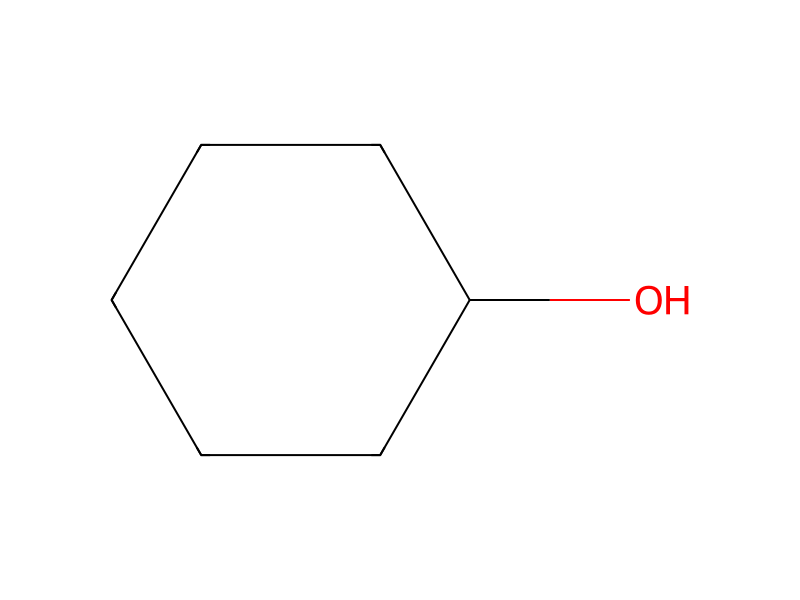



Conditions
- Temperature
- 120 °C
Procedure
2-(Chloromethyl)-1-(3,5-dichlorobenzyl)-1H-imidazole hydrochloride (see Example 1) (100 mg, 0.32 mmol), cyclohexanol (160 mg, 1.6 mmol) and acetonitrile (1 mL) were combined in a Smith Process Vial. The reaction mixture was heated in a SmithSynthesizer™ (Personal Chemistry) microwave at 120° C. for 30 min. The heterogeneous solution was filtered and the solid was washed with acetonitrile. The filtrate was concentrated and the resulting semi-solid was partitioned between CH2Cl2 (10 mL) and 5% Na2CO3 (5 mL). The aqueous layer was extracted with CH2Cl2 (2×10 mL). The combined organic layers were dried over MgSO4, filtered and concentrated to afford the desired product (11 mg, 10%); MS m/z 339 [C17H20Cl2N2O+H]+.
Workup
- filtrationThe heterogeneous solution was filtered
- washthe solid was washed with acetonitrile
- concentrationThe filtrate was concentrated
- customthe resulting semi-solid was partitioned between CH2Cl2 (10 mL) and 5% Na2CO3 (5 mL)
- extractionThe aqueous layer was extracted with CH2Cl2 (2×10 mL)
- dry with materialThe combined organic layers were dried over MgSO4
- filtrationfiltered
- concentrationconcentrated
Sources & evidence
- ORD record
- ord-79835b69963542c280e8f449380f534d
- Source dataset
- uspto-grants-2009_08
- Patent number
- US07572921B2
Reaction notes
Loading…