Methanesulfonyl chloride → 1-(Acetylthiomethyl)cyclopropaneacetonitrile
Reaction equation

CS(O[CH2:6][C:7]1([CH2:10][C:11]#[N:12])[CH2:9][CH2:8]1)(=O)=O.S(O)(=O)(=O)C.CS(Cl)(=O)=O.[C:23]([O-:26])(=[S:25])[CH3:24].[K+].C(O)(=S)C>>[C:23]([S:25][CH2:6][C:7]1([CH2:10][C:11]#[N:12])[CH2:8][CH2:9]1)(=[O:26])[CH3:24]Participants


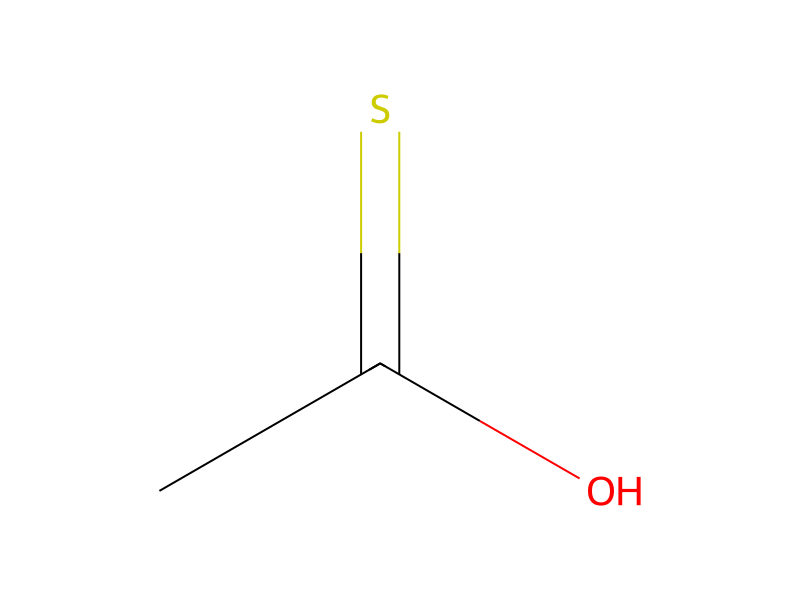

Procedure
The first step comprises converting the starting material 1,1-cyclopropanedimethanol II into the corresponding cyclic sulfite III by using thionyl chloride and in the presence of a base such as diisopropylethylamine. The cyclic sulfite III is treated with catalytic amount of sodium iodide and sodium cyanide to obtain the compound 1-(hydroxymethyl)cyclopropaneacetonitrile IV, which is converted into the corresponding mesylate 1-(methanesulfonyloxymethyl)-cyclopropaneacetonitrile V, by using methanesulfonyl chloride in the presence of a base. Compound V is treated with potassium thioacetate or thioacetic acid in the presence of a base to yield the compound 1-(acetylthiomethyl)-cyclopropaneacetonitrile VI. In the last step, compound VI is converted into 1-(mercaptomethyl)cyclopropaneacetic acid VII by reacting compound VI in a biphasic solvent system comprising toluene and aqueous NaOH for 16-18 hours.
Sources & evidence
- ORD record
- ord-dceba29d055746eeb14b09c4321915cc
- Source dataset
- uspto-grants-2009_08
- Patent number
- US07572930B2
Reaction notes
Loading…