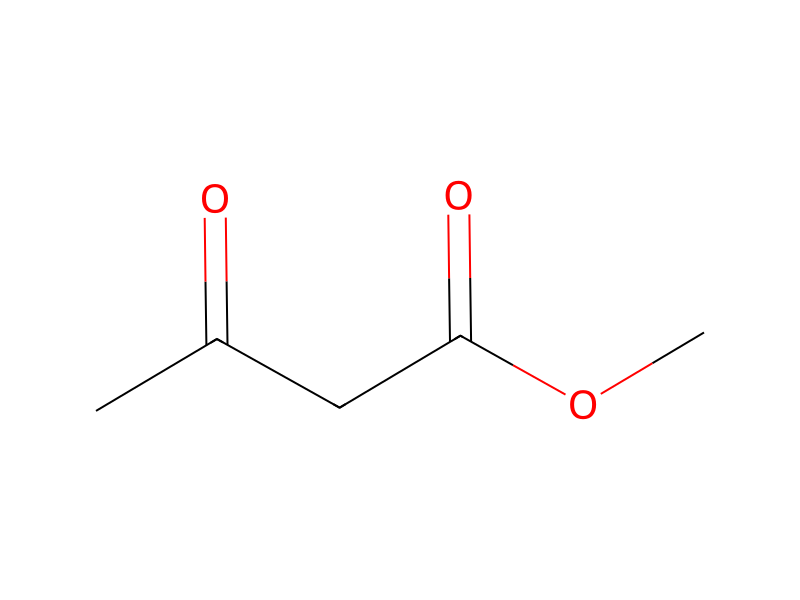
Methyl acetoacetate → 5-(5-Chloro-2-fluoro-phenyl)-1-cyclopropylmethyl-2-methyl-1H-pyrrole-3-carboxylic acid cyclohexylamide
Reaction equation

C[O:2][C:3](=O)[CH2:4][C:5](=O)[CH3:6].Br[CH2:10][C:11]([C:13]1[CH:18]=[C:17]([Cl:19])[CH:16]=[CH:15][C:14]=1[F:20])=O.[CH:21]1([CH2:24][NH2:25])[CH2:23][CH2:22]1.[CH:26]1([NH2:32])[CH2:31][CH2:30][CH2:29][CH2:28][CH2:27]1>>[CH:26]1([NH:32][C:3]([C:4]2[CH:10]=[C:11]([C:13]3[CH:18]=[C:17]([Cl:19])[CH:16]=[CH:15][C:14]=3[F:20])[N:25]([CH2:24][CH:21]3[CH2:23][CH2:22]3)[C:5]=2[CH3:6])=[O:2])[CH2:31][CH2:30][CH2:29][CH2:28][CH2:27]1Participants
5


Procedure
The title compound was synthesized in analogy to Example 68, using 3-oxo-butyric acid methyl ester as compound of formula R, 2-bromo-1-(5-chloro-2-fluoro-phenyl)-ethanone as compound of formula S, cyclopropanemethylamine as R3—(CH2)m—NH2 and cyclohexylamine as R1R2NH, MS (ISP) 389.3 (M+H)+.
Sources & evidence
- ORD record
- ord-64f346f3d4004ed48b52d8da6db3e1b5
- Source dataset
- uspto-grants-2009_08
- Patent number
- US07579369B2
Reaction notes
Loading…