2-Chloro-1,1,1,4,4,4-hexafluoro-2-butene → 1,1,1,4,4,4-Hexafluorobutane
Reaction equation

[F:1][C:2]([F:11])([F:10])[C:3](Cl)=[CH:4][C:5]([F:8])([F:7])[F:6].FF.[H][H].[OH-].[K+]>C(O)C.[Ni]>[F:1][C:2]([F:11])([F:10])[CH2:3][CH2:4][C:5]([F:8])([F:7])[F:6]Participants


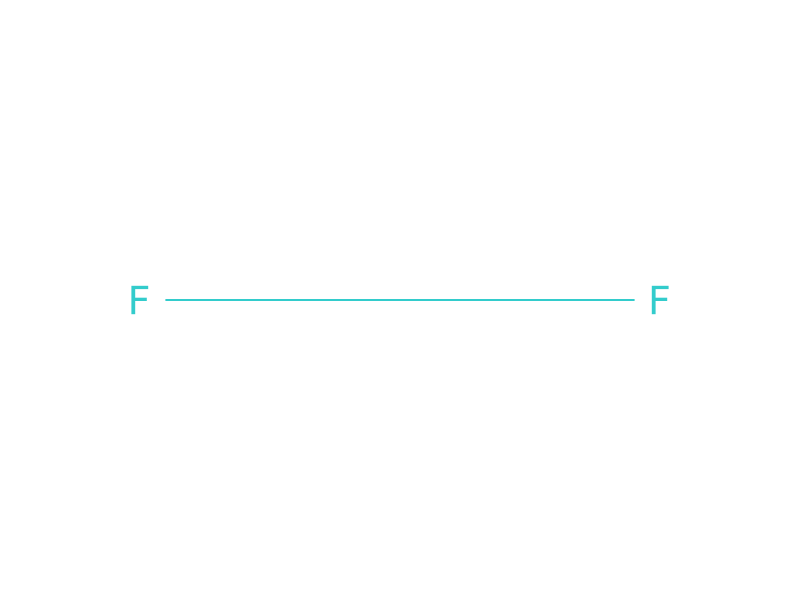




Procedure
1,1,1,4,4,4-Hexafluoro-2-chloro-2-butene (40 g) (prepared according to the method described by J. H. Babcock et al in Preparation, Properties, and Technology of Fluorine and Organic Flyoro Compounds, eds. C. Slesser and S. R. Schram (New York , Toronto, London: McGraw-Hill Book Company, Inc., 1951) at p. 817) in 300 ml ethanol was hydrogenated in a stainless steel autoclave with hydrogen for 3 hours at 20° C. and for 1 hour at 100° C. in the presence of potassium hydroxide (12 g) and Raney nickel (25 g). The pressure was in the range from 30 to 40 bar. The solid constituents were separated from the reaction mixture by filtration and the filtrate was distilled to give 16 g of 1,1,1,4,4,4-hexafluorobutane, boiling point 25°-30° C. at 1013 mbar. The mass spectrum showed an m+ /e of 166.
Workup
- customThe solid constituents were separated from the reaction mixture by filtration
- distillationthe filtrate was distilled
Sources & evidence
- ORD record
- ord-3510c38d1af84245a5119eedfa138f0e
- Source dataset
- uspto-grants-1990_06
- Patent number
- US04931482
Reaction notes
Loading…