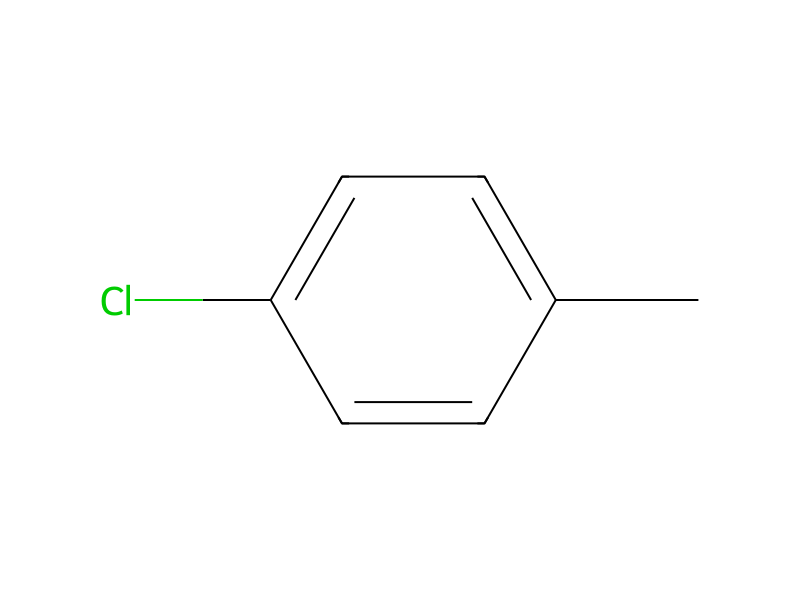
4-Chlorotoluene → Tris(4-methylphenyl)sulfanium Chloride
Reaction equation

[CH3:1][C:2]1[CH:7]=[CH:6][C:5]([S:8]([C:10]2[CH:15]=[CH:14][C:13]([CH3:16])=[CH:12][CH:11]=2)=O)=[CH:4][CH:3]=1.[Cl:17][C:18]1[CH:23]=[CH:22][C:21]([CH3:24])=[CH:20][CH:19]=1>>[Cl-:17].[CH3:1][C:2]1[CH:7]=[CH:6][C:5]([S+:8]([C:18]2[CH:23]=[CH:22][C:21]([CH3:24])=[CH:20][CH:19]=2)[C:10]2[CH:15]=[CH:14][C:13]([CH3:16])=[CH:12][CH:11]=2)=[CH:4][CH:3]=1Participants
3


Procedure
The end compound was synthesized as in Synthesis Example 4 except that bis(4-methylphenyl) sulfoxide was used instead of the phenyl sulfoxide in Synthesis Example 4, 4-chlorotoluene was used instead of the chlorobenzene, and the quantity of water for extraction was increased.
Workup
- extractionthe quantity of water for extraction
- temperaturewas increased
Sources & evidence
- ORD record
- ord-9ebd1a1c889240a5b52b7c58e60fa5fa
- Source dataset
- uspto-grants-2004_02
- Patent number
- US06692893B2
Reaction notes
Loading…