Carbon Dioxide → 16282-50-1
Reaction equation

ClCC([O:5][CH2:6][CH3:7])=O.[CH3:8][C:9]([CH3:12])([O-])C.[K+].O1[CH2:16][CH2:15]1.[C:17](=O)=O.[C:20](O)([CH3:23])([CH3:22])C>>[CH:12]1([CH:7]([C:16]2[CH:15]=[CH:23][CH:20]=[CH:22][CH:17]=2)[CH:6]=[O:5])[CH2:9][CH2:8]1Participants
6




Procedure
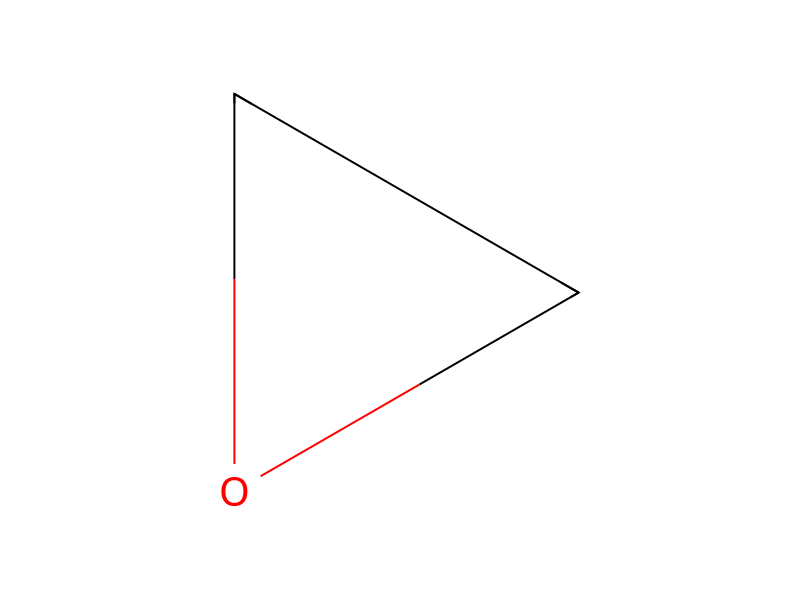
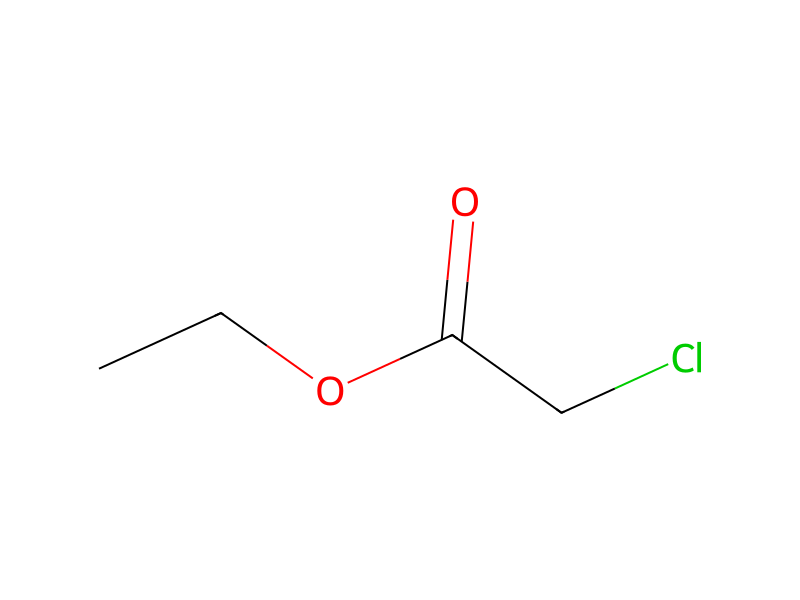
In reaction scheme 1, the ketone is first reacted with ethyl chloroacetate under the conditions of the Darzens reaction in the presence of a strong base, for example potassium tertiary butoxide in tertiary butanol. The resulting stable oxirane intermediate is then saponified with base to give an unstable intermediate acid which rearranges, with loss of carbon dioxide, to form an α-cyclopropyl-phenyl acetaldehyde. This aldehyde is subsequently oxidised with a reagent known to be suitable for oxidising aldehyde groups to acids groups, for example moist silver oxide.
Workup
- customIn reaction scheme 1
- customto give an unstable intermediate acid which
Sources & evidence
- ORD record
- ord-588f91676f6343d5a7f06e0bfce9e7fa
- Source dataset
- uspto-grants-1979_01
- Patent number
- US04137324
Reaction notes
Loading…