Sodium Hydroxide → HCID 18640065, compound
Reaction equation

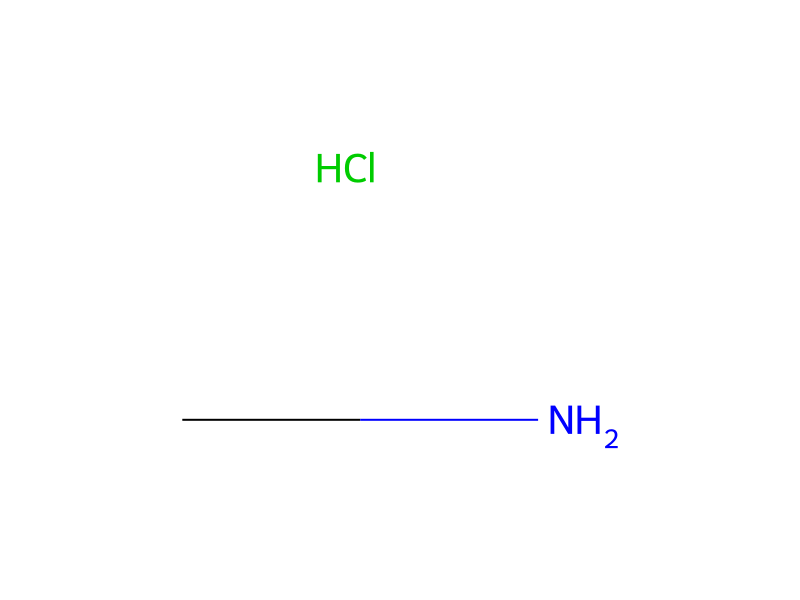
Cl.Cl[C:3]1[CH:4]=[CH:5][C:6]2[CH2:15][C@H:14]3[C@@H:9]([CH2:10][CH2:11][CH2:12][N:13]3[CH2:16][CH2:17][CH3:18])[CH2:8][C:7]=2[N:19]=1.Cl.[CH3:21][NH2:22].[OH-].[Na+]>O>[CH3:21][NH:22][C:3]1[CH:4]=[CH:5][C:6]2[CH2:15][C@H:14]3[C@@H:9]([CH2:10][CH2:11][CH2:12][N:13]3[CH2:16][CH2:17][CH3:18])[CH2:8][C:7]=2[N:19]=1Participants




Conditions
- Temperature
- 240 °C
Procedure
A mixture of (±)-trans-2-chloro-6-propyl-5,5a,6,7,8,9,9a,10-octahydropyrido[2,3-g]quinoline hydrochloride (1.00 g, 3.32 mmol) and methylamine hydrochloride (10 g) was heated to 240° C. to form a homogeneous molten semi-solid. After 30 minutes the molten semi-solid was poured into water, made basic with dilute NaOH solution, and extracted with methylene chloride. The extract was dried (Na2SO4) and concentrated to give the crude product as a brown solid. Purification by flash chromatography (10% methanol in methylene chloride, NH4OH) provided (±)-trans-2-methylamino-6-propyl-5,5a,6,7,8,9, 9a,10-octahydropyrido[2,3-g]quinoline (Rf=0.44, 493 mg 57% yield) as an orange solid. This material was converted to the dihydrochloride salt in a manner analogous to that set forth in Example 3. Recrystallization (methanol/ethyl acetate) gave the desired dihydrochloride as a tan solid. m.p.>250° C.
Workup
- customto form a homogeneous molten semi-solid
- extractionextracted with methylene chloride
- dry with materialThe extract was dried (Na2SO4)
- concentrationconcentrated
- customto give the crude product as a brown solid
- customPurification by flash chromatography (10% methanol in methylene chloride, NH4OH)
Sources & evidence
- ORD record
- ord-ff662996ac234e85b42b4cf21ef85e88
- Source dataset
- uspto-grants-1990_07
- Patent number
- US04939259
Reaction notes
Loading…