Dichloromethane → 4-Cyanophenylethyl cyclopropyl carbinol
Reaction equation

[CH:1]1([C:4]([CH2:6][CH2:7][C:8]2[CH:13]=[CH:12][C:11]([C:14]#[N:15])=[CH:10][CH:9]=2)=[O:5])[CH2:3][CH2:2]1.[BH4-].[BH4-].[Na+].C(Cl)Cl>C(O)C.O>[C:14]([C:11]1[CH:12]=[CH:13][C:8]([CH2:7][CH2:6][CH:4]([CH:1]2[CH2:3][CH2:2]2)[OH:5])=[CH:9][CH:10]=1)#[N:15]Participants
7






Procedure
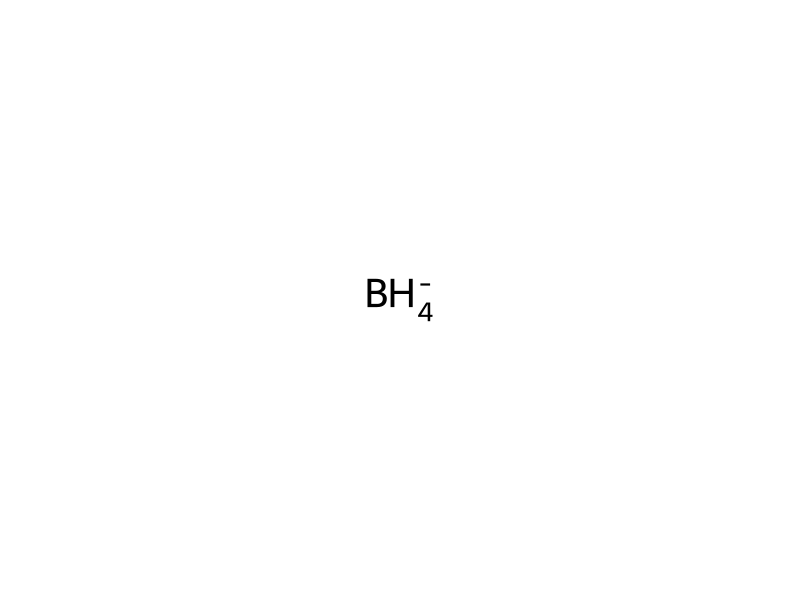
To a solution of 30.9 g of 4-cyanophenylethyl cyclopropyl ketone in 90 ml of absolute ethanol was added 1.48 g of soldium borohydride, and the mixture was stirred at room temperature for three hours. The product isolated from the reaction still contained unreacted starting material, so the material was redissolved in 90 ml of ethanol and treated with 0.7 g additional sodium borohydride for three hours. The product obtained by evaporation of the solvent, trituration of the residue with methylene dichloride and water, and isolation of the product from the organic phase, gave 31.0 g of 4-cyanophenylethyl cyclopropyl carbinol as an oil which crystallized to a colorless solid, m.p. 70°-71° C.
Workup
- customThe product isolated from the reaction still contained unreacted
Sources & evidence
- ORD record
- ord-edfbe1af0286485e98f31e326409ee19
- Source dataset
- uspto-grants-1990_07
- Patent number
- US04939267
Reaction notes
Loading…