Ethanol → HCID 14990741, compound
Reaction equation

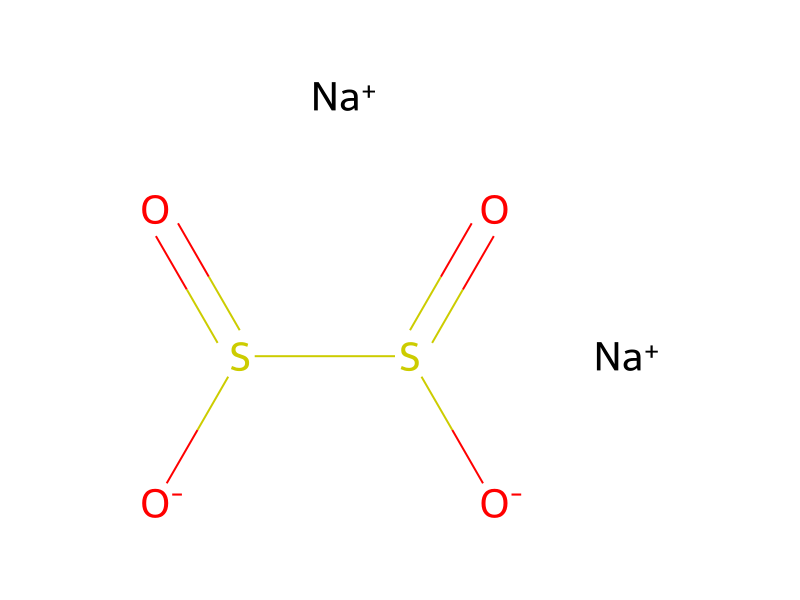
[CH:1]1([NH:7][C:8]2[CH:13]=[CH:12][C:11]([CH2:14][N:15]3[CH:19]=[CH:18][N:17]=[CH:16]3)=[CH:10][C:9]=2[N+:20]([O-])=O)[CH2:6][CH2:5][CH2:4][CH2:3][CH2:2]1.S(S([O-])=O)([O-])=O.[Na+].[Na+].C(O)C>O>[CH:1]1([NH:7][C:8]2[C:9]([NH2:20])=[CH:10][C:11]([CH2:14][N:15]3[CH:19]=[CH:18][N:17]=[CH:16]3)=[CH:12][CH:13]=2)[CH2:2][CH2:3][CH2:4][CH2:5][CH2:6]1Participants
5
Reactant 3


Product 1

Reagents, catalysts & solvents 1

Procedure
A mixture of 7.9 parts of N-cyclohexyl-4-(1H-imidazol-1-ylmethyl)-2-nitrobenzenamine, 22.9 parts of sodium dithionite, 288 parts of ethanol and 240 parts of water was stirred at room temperature. Upon complete reaction, the ethanol layer was evaporated. The aqueous layer was diluted with a potassium carbonate solution. The whole was extracted twice: first with dichloromethane and then with a mixture of trichloromethane and methanol (90:10 by volume). The combined extracts were dried, filtered and evaporated. The residue was taken up in methylbenzene and the solvent was evaporated again, yielding 7 parts (98.0%) of N1 -cyclohexyl-4-(1H-imidazol-1-ylmethyl)-1,2-benzenediamine as a residue (int. 186).
Workup
- customUpon complete reaction
- customthe ethanol layer was evaporated
- additionThe aqueous layer was diluted with a potassium carbonate solution
- extractionThe whole was extracted twice
- additionfirst with dichloromethane and then with a mixture of trichloromethane and methanol (90:10 by volume)
- customThe combined extracts were dried
- filtrationfiltered
- customevaporated
- customthe solvent was evaporated again
Sources & evidence
- ORD record
- ord-f74faf7df25b41a09e3be1d65489e2af
- Source dataset
- uspto-grants-1990_07
- Patent number
- US04943574
Reaction notes
Loading…