Ethanol → 30714-89-7
Reaction equation

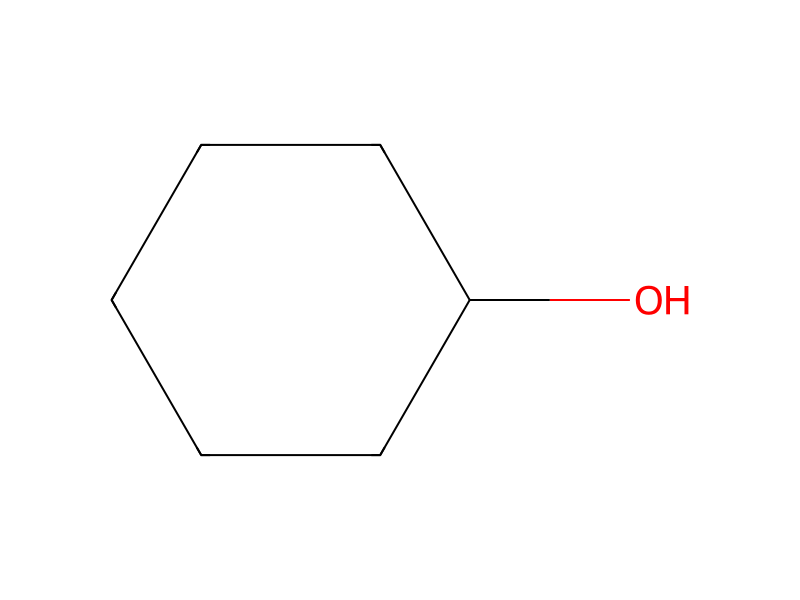
[NH2:1][C:2]1[CH:7]=[C:6]([NH2:8])[CH:5]=[CH:4][C:3]=1[CH3:9].[CH2:10]([O:12][C:13](=[O:15])N)[CH3:11].[CH:16]1([OH:22])[CH2:21][CH2:20][CH2:19][CH2:18][CH2:17]1.[CH2:23]([OH:25])C>[Cl-].[Tl+]>[CH:10]1([O:12][C:13]([NH:1][C:2]2[CH:7]=[C:6]([NH:8][C:23]([O:22][CH:16]3[CH2:21][CH2:20][CH2:19][CH2:18][CH2:17]3)=[O:25])[CH:5]=[CH:4][C:3]=2[CH3:9])=[O:15])[CH2:4][CH2:3][CH2:2][CH2:7][CH2:11]1Participants
6
Reactant 4



Product 1

Reagents, catalysts & solvents 1

Conditions
- Temperature
- 200 °C
Procedure
##STR3## (0.125 mol), 61 g of 2,4-diamino-toluene (0.5 mol), 100 g carbamic acid ethyl ester (1.125 mols), 200 g cyclohexanol (2 mols) and 3 g thallium chloride were heated to 140° C. The ethyl alcohol formed was distilled off and the reaction temperature was raised to 200° C. and maintained at that temperature for 7 hours. Any cyclohexanol remaining in the mixture was distilled off under a water jet vacuum and the residue was subsequently mixed with a little acetic ester. The reaction mixture crystallized completely overnight. 284 g of 2,4-bis-(cyclohexoxy carbonylamino)-toluene (76% of the theoretical yield) having a melting point of 156° C. (from toluene) were produced.
Workup
- distillationwas distilled off
- temperaturemaintained at that temperature for 7 hours
- distillationAny cyclohexanol remaining in the mixture was distilled off under a water jet vacuum
- additionthe residue was subsequently mixed with a little acetic ester
- customThe reaction mixture crystallized completely overnight
Sources & evidence
- ORD record
- ord-a8034ef0a0d8492d9e12eb891c175861
- Source dataset
- uspto-grants-1983_06
- Patent number
- US04388238
Reaction notes
Loading…