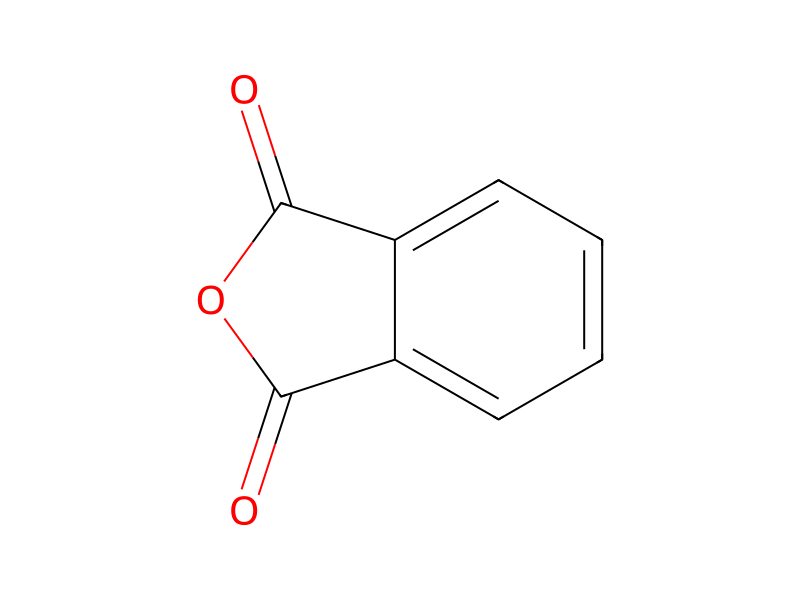
Phthalic Anhydride → 2-(5-Bromo-6-methylpyridin-3-yl)isoindoline-1,3-dione
Reaction equation

[C:1]1(=[O:11])[O:6][C:4](=O)[C:3]2=[CH:7][CH:8]=[CH:9][CH:10]=[C:2]12.[Br:12][C:13]1[CH:14]=[C:15]([NH2:20])[CH:16]=[N:17][C:18]=1[CH3:19].C([O-])(=O)C.[Na+]>C(O)(=O)C>[Br:12][C:13]1[CH:14]=[C:15]([N:20]2[C:1](=[O:11])[C:2]3[C:3](=[CH:7][CH:8]=[CH:9][CH:10]=3)[C:4]2=[O:6])[CH:16]=[N:17][C:18]=1[CH3:19]Participants
5
Reactant 3


Product 1

Reagents, catalysts & solvents 1

Procedure
A mixture of phthalic anhydride (3.7 g, 25 mmol), 5-bromo-6-methylpyridin-3-amine (3.9 g, 20.85 mmol) and sodium acetate (1.5 g, 25 mmol) in glacial acetic acid (44 ml) was refluxed for overnight. After cooling down to room temperature, the precipitate was collected by vacuum filtration, washed with water, and dried to afford the title compound. MS (m/z) 318.91 [M+H]+.
Workup
- temperaturewas refluxed for overnight
- filtrationthe precipitate was collected by vacuum filtration
- washwashed with water
- customdried
Sources & evidence
- ORD record
- ord-9e633ec81837489f9151f650f16e40a6
- Source dataset
- uspto-grants-2015_06
- Patent number
- US09050344B2
Reaction notes
Loading…