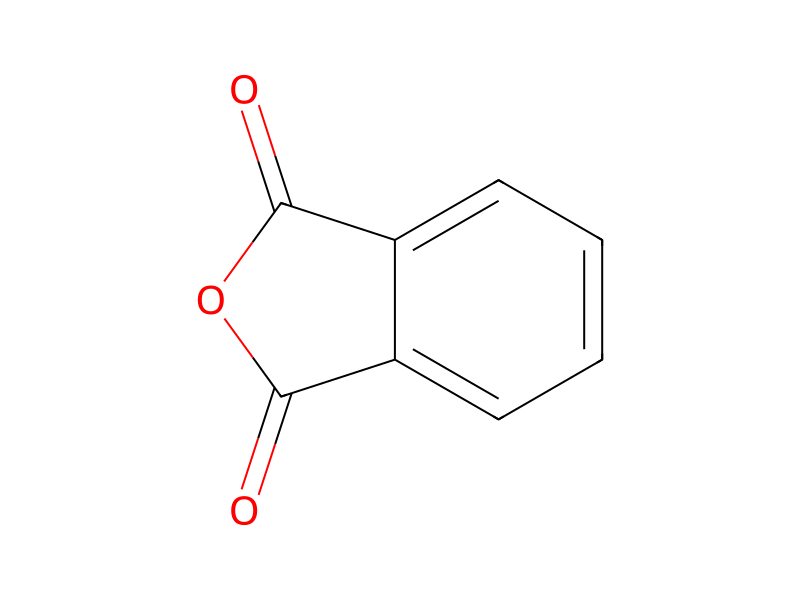
Phthalic Anhydride → Hydrazine
Reaction equation

[N:1]1[CH:6]=[CH:5][C:4]([CH2:7][C:8]2[C:17]3[C:12](=[CH:13][CH:14]=[CH:15][CH:16]=3)[C:11](=[O:18])[NH:10][N:9]=2)=[CH:3][CH:2]=1.C1(=O)OC(=[O:23])C2=CC=CC=C12.CC1C=CN=CC=1>>[CH:15]1[CH:16]=[C:17]2[C:8]([C:7]([C:11](=[O:18])[C:12]2=[CH:13][CH:14]=1)=[C:4]1[CH:5]=[CH:6][NH:1][CH:2]=[CH:3]1)=[O:23].[NH2:9][NH2:10]Participants
5




Procedure
The production of, for example, 4-(4-pyridylmethyl)-1(2H)-phthalazinone is carried out according to previously known methods by the reaction of phthalic acid anhydride and 4-methylpyridine at about 200° C. and subsequent reaction of the condensation product that is obtained (γ-pyrophthalone) with excess hydrazine at 130° C. (DE AS 1 061 788). Drawbacks of these methods are the low yield (<50%), low product quality and primarily the necessarily very high temperature of the condensation reaction, which makes very difficult an industrial-scale application of the methods.
Workup
- customsubsequent reaction of the condensation product that
Sources & evidence
- ORD record
- ord-2eb5a019159344d081d265e2a8106834
- Source dataset
- uspto-grants-2005_05
- Patent number
- US06891041B2
Reaction notes
Loading…